Dreaming about a place where weekends feel longer and the water is always close? Buying at Cedar Creek Lake can absolutely deliver that lifestyle, but the right purchase depends on more than finding a pretty view. If you are considering a waterfront home, an interior property, or a future build site, knowing what to check before you buy can help you avoid expensive surprises and choose a property that truly fits how you plan to use it. Let’s dive in.
Start With the Lake Itself
Cedar Creek Reservoir, often called Cedar Creek Lake, sits about three miles northeast of Trinidad in Henderson and Kaufman Counties on Cedar Creek, a tributary of the Trinity River. It covers roughly 32,600 to 32,900 acres, depending on the source and measurement, and has a maximum depth of 53 feet.
That matters because this is a large lake with a broad mix of communities and property types around it. When you shop here, you are not just buying “on the lake.” You are buying a specific parcel in a specific jurisdiction, and those details can affect taxes, permits, utilities, and potential rental use.
Know the Town and County
One of the most important things to understand before buying at Cedar Creek Lake is that the exact address matters. The lake is surrounded by communities including Kemp, Mabank, Gun Barrel City, Payne Springs, Log Cabin, Caney City, Malakoff, Trinidad, Tool, Seven Points, and Tolosa, and properties may fall in either Henderson County or Kaufman County.
That can shape more than your mailing address. It can affect tax treatment, permit requirements, utility service, and any local rules tied to the property. A buyer should think lot by lot, not just lakewide.
Compare Property Types Carefully
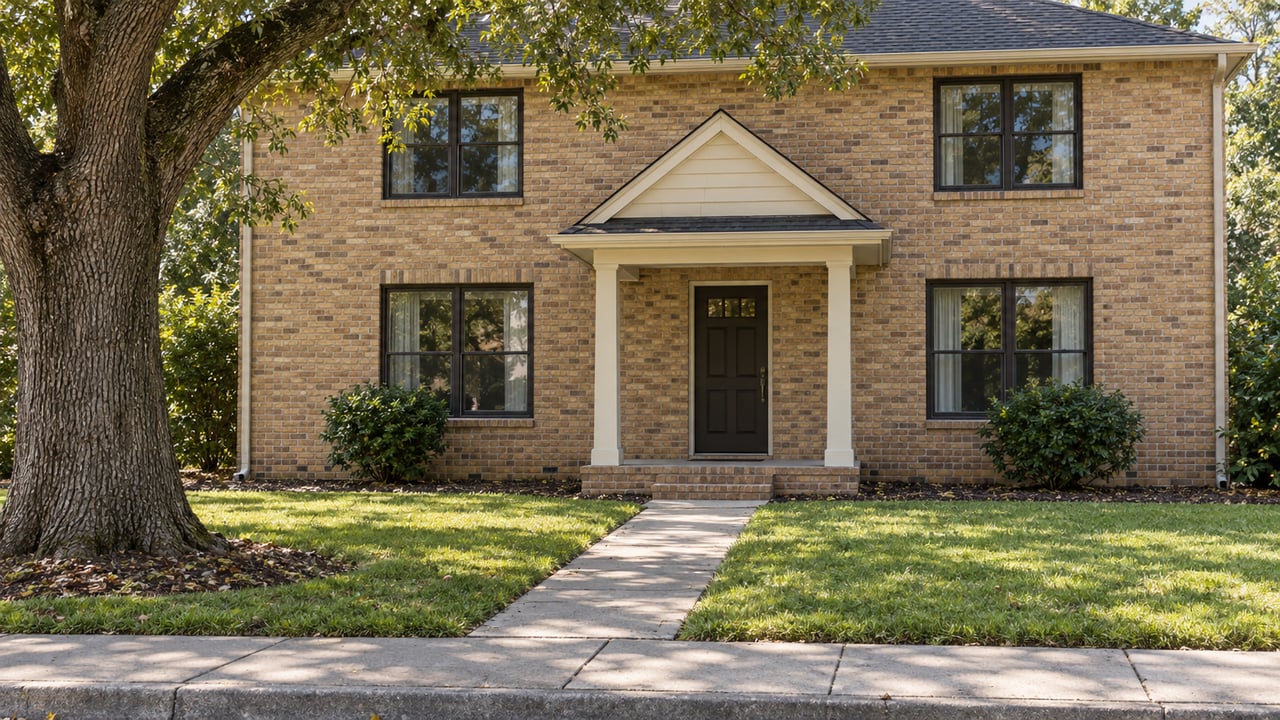
Cedar Creek Lake offers a wide range of options, which is part of its appeal. Current listings commonly include waterfront homes, land and lots, and mobile or manufactured homes.
That variety gives you flexibility, but it also means your due diligence should match the type of property you want. A move-in-ready lake house, a lot for future construction, and a lower-cost manufactured home can each come with very different ownership costs, financing questions, and maintenance needs.
Waterfront Homes
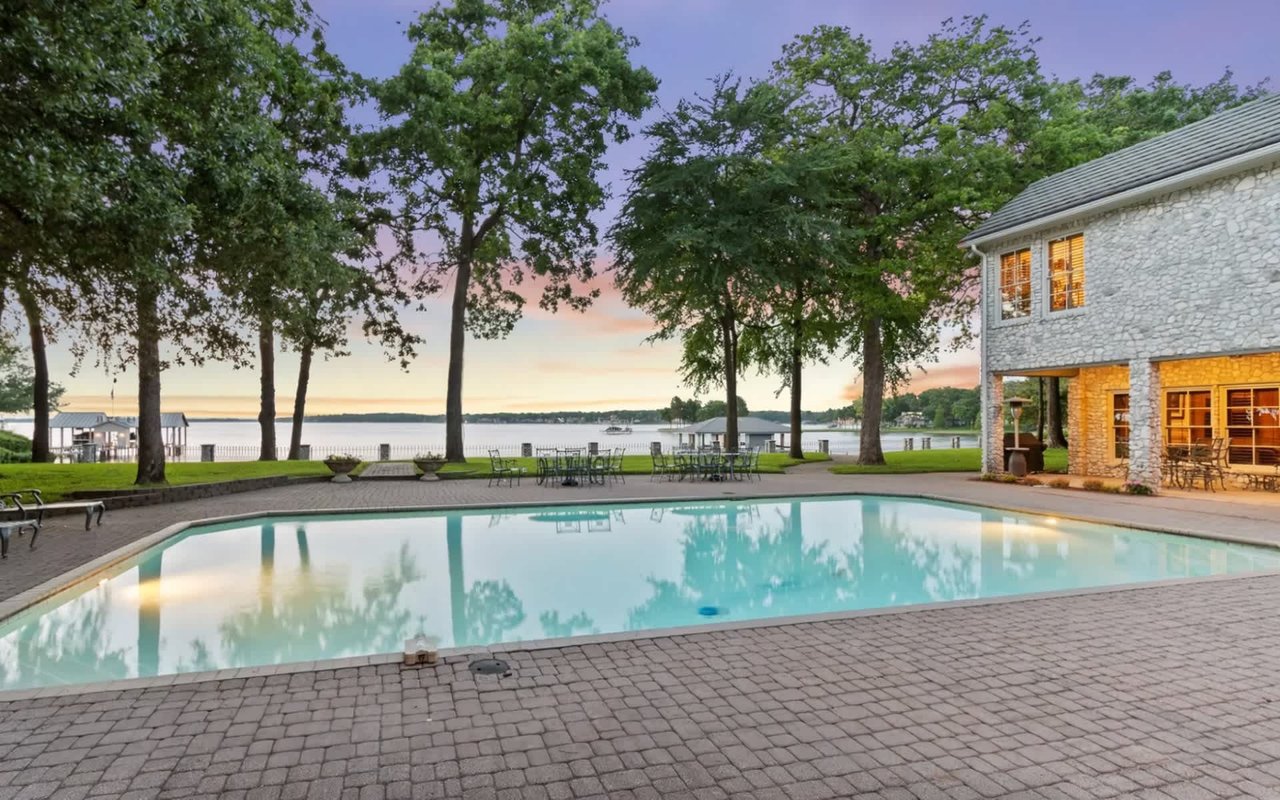
A true waterfront property gives you the most direct access to the lake. If your goal is boating, fishing, or spending as much time on the water as possible, that access can be the main draw.
At the same time, waterfront ownership usually brings more responsibility. You may need to evaluate docks, boathouses, retaining walls, shoreline work, flood exposure, and how water level changes affect everyday use.
Interior Homes
An interior home may be a strong fit if you want the Cedar Creek Lake area without taking on direct shoreline responsibility. These homes can be simpler to maintain if you are not planning to manage a dock or waterfront improvements.
For some buyers, this option creates a better balance between lake lifestyle and lower upkeep. It can also keep your focus on the home itself rather than on ongoing shoreline conditions.
Lots and Build Sites
If you want to create something tailored to your needs, a lot can be appealing. It gives you flexibility for future plans, but it also requires extra research before you commit.
You will want to understand the parcel’s county location, access, utility situation, flood exposure, and whether any shoreline or improvement permits may be needed. Buying land can be a smart long-term move, but only if the site works for your intended use.
Check Docks and Shoreline Permits
If you are buying waterfront, permit review should be high on your list. Tarrant Regional Water District, which owns and operates the reservoir, provides permit guidance for docks, retaining walls, dredging, fill work, irrigation, and structure improvements.
That means you should not assume an existing dock, seawall, or boathouse was approved just because it is there. Before closing, verify that any shoreline improvements were properly permitted and appear to be in acceptable condition.
Why This Step Matters
Unpermitted or poorly maintained improvements can create future cost and compliance issues. If a major feature is part of why you love the property, you want to make sure that feature is legally in place and functional.
This is especially important at a lake property, where the shoreline often plays a big role in both enjoyment and long-term maintenance. A great view is wonderful, but a well-documented shoreline setup is even better.
Review Water Levels and Shoreline Conditions
Lake life changes with the water, and Cedar Creek Lake is no exception. Texas Parks and Wildlife notes that the lake’s normal fluctuation is about 4 feet, and water clarity ranges from moderately clear at the lower end to muddy at the upper end.
For you as a buyer, that can affect dock depth, boat access, and how the shoreline looks and functions throughout the year. A property that feels perfect on one day may perform differently during another season or during drier conditions.
Questions to Ask on a Tour
When you visit a waterfront property, it helps to look beyond the house itself. Ask practical questions such as:
- How does this dock perform when lake levels are lower?
- Is the shoreline stable, or has it needed repair work?
- How easy is it to launch or store a boat here?
- Does the water depth at the dock change usability?
These questions can help you picture real ownership, not just a great showing day.
Understand Flood Risk by Address
Flood risk should be reviewed by exact property address, not by general assumptions about the lake. Flood zones can affect insurance requirements, ownership costs, and financing.
If a property is in a higher-risk area and you are using a government-backed mortgage, flood insurance may be required. Even outside the highest-risk zones, flood exposure is still worth reviewing carefully because every flood zone carries some level of risk.
Confirm Septic or Sewer Details
Not every lake property is connected to the same type of wastewater system. If a home uses an on-site sewage facility, you should identify the permitting authority and review available records.
The Texas Commission on Environmental Quality notes that some systems require regular maintenance by a licensed provider. For a buyer, that makes septic permit files, maintenance records, and any current service contract important parts of the due diligence process.
Why Septic Records Matter
A septic system may be easy to overlook when you are focused on views and outdoor space. Still, this is one of the items that can have a real impact on convenience and future costs.
If records are incomplete or maintenance has been inconsistent, that is worth understanding before you move forward. A little review upfront can help you avoid a bigger problem later.
Plan for Second-Home Ownership
Many Cedar Creek Lake buyers are looking for a weekend place or second home. If that sounds like you, it helps to go in with realistic expectations about how the property will live when you are not there every day.
Nearby Athens climate normals suggest a long cooling season, hot summers with average highs around 94 to 95 degrees in July and August, cooler winter lows in the mid-30s around December and January, and annual precipitation of 44.75 inches. In practical terms, that means summer humidity management and occasional freeze planning can matter for a part-time lake property.
Think Beyond the Purchase Price
A second home often comes with a different maintenance rhythm than a primary residence. You may need to think about HVAC performance, moisture control, cold-weather prep, and how the property will be monitored between visits.
That does not mean lake ownership is complicated. It just means the best purchase is one that matches your lifestyle, budget, and tolerance for upkeep.
Do Not Assume Homestead Tax Benefits
If you are buying a weekend property, do not assume it will qualify for the same tax treatment as your primary residence. In Texas, the general residence homestead exemption applies only to a principal residence, and the applicant cannot claim another residence homestead.
For many second-home buyers, this is an important budgeting detail. It is better to understand the likely tax picture early than to build your numbers around an exemption that does not apply.
Check Rental Plans Before You Buy
Some buyers hope to offset costs by renting the property occasionally. That may be possible, but it should never be treated as an automatic assumption.
In Texas, state hotel occupancy tax applies to rentals of 29 days or less. If a short-term rental platform does not collect and remit that tax, the property owner is responsible, and local city or county rules may also matter.
Rental Use Needs a Clear Plan
If occasional rental income is part of your strategy, review that goal before you buy, not after. The specific property location can shape what rules and obligations apply.
This is another reason the exact parcel matters so much at Cedar Creek Lake. Two homes with similar views may come with very different ownership realities.
Focus on Fit, Not Just the View
It is easy to fall in love with lakefront photos, but the best Cedar Creek Lake purchase is the one that works for how you actually plan to use it. For some buyers, that will be a true waterfront home with direct access. For others, it may be an interior property with less maintenance or a lot held for future plans.
The smartest approach is to match the property to your priorities, then verify the details that affect cost, convenience, and compliance. When you do that, you are much more likely to end up with a lake home that feels relaxing instead of complicated.
If you are thinking about buying at Cedar Creek Lake, having experienced guidance can make the process feel much more manageable. The team at The B.A.R Group can help you evaluate the property type, location details, and practical ownership questions so you can move forward with confidence.
FAQs
What should you check before buying a Cedar Creek Lake house?
- Review the exact address, county location, property type, dock or shoreline permits, flood zone, septic or on-site sewage records, and any plans for short-term rental use.
Is waterfront the best option at Cedar Creek Lake?
- Not always. Waterfront homes offer direct lake access, but they also usually involve more responsibility for docks, shoreline work, flood review, and changing water levels.
Does a Cedar Creek Lake second home qualify for a homestead exemption?
- Usually no. In Texas, the general residence homestead exemption applies to your principal residence, not typically to a second home or weekend property.
Can you rent out a Cedar Creek Lake property for short stays?
- Often yes, but rentals of 29 days or less may be subject to Texas hotel occupancy tax, and local city or county rules may also apply.
Why does the exact Cedar Creek Lake address matter so much?
- Because the lake spans more than one county, the specific parcel can affect taxes, permits, utility service, and any local rules tied to the property.
Cedar Creek Lake Buyer Checklist: Docks, Flood Zones, Septic, Storms and New Construction
The guide above explains what to verify. This section shows how to verify it, using the lake owner’s permit guidelines, FEMA, TCEQ and local records. It also answers questions buyers search for, such as whether tornadoes are a concern and how to vet a builder. If you are ready to shop, you can browse Cedar Creek Lake homes for sale, and The B.A.R. Group can help you apply the checklist to a specific property.
Three Numbers Every Lake Buyer Should Know
322.00 ft
Conservation (spillway) elevation of Cedar Creek Lake, per Tarrant Regional Water District
325.00 ft
The District requires a permit for construction or fill at or below this elevation
328 miles
Approximate shoreline, according to a Texas Water Development Board survey
Sources: Tarrant Regional Water District, Cedar Creek Lake Improvement Permit Guidelines; Texas Water Development Board volumetric survey of Cedar Creek Reservoir (1995). The District’s guidelines document is dated 2001, so confirm current rules and fees with the District.
Elevation matters because the lake level moves. The District describes Cedar Creek as a water supply project whose level varies with water use, evaporation, rainfall and runoff, and it holds a flood easement on property between 322.00 and 325.00 feet.
Dock and Shoreline Checklist, Based on the District’s Guidelines
The guide above says to verify that docks and shoreline work were permitted. These are the specifics the District’s permit guidelines contain, which you can use at a showing.
Item | What the guidelines say | What to ask or look for |
|---|---|---|
When a permit is needed | Any construction, placement or operation of a structure, or excavation or fill, at or below 325.00 feet, including additions or changes to an existing structure. | Ask for the permit for the dock, boathouse or seawall, and any later modifications. |
Size limit | 8 square feet of structure per linear foot of shoreline owned, up to 150 feet (1,200 square feet), with smaller allowances for longer frontage. | Compare the structure to the shoreline footage on the plat. |
Enclosures | Enclosed structures are not allowed. Solid sides are limited to 2 feet below the roofline, and storage enclosures cannot exceed 20 square feet. | Watch for walled-in boathouses or added storage rooms. |
Living space and toilets | No living quarters over areas below spillway elevation, and no toilet facilities on structures. | Be cautious of a boathouse marketed with a bedroom or bathroom. |
Deck and roof | The deck must sit at least 18 inches above 322.00 feet. Roof pitch is limited to 4 in 12. | Check the deck height during a high-water period if you can. |
Lighting | A structure extending more than 50 feet from shore must have a white light from dusk to dawn. | Confirm lighting on longer docks. |
Penalties | Building without a permit is a violation, with a civil penalty of $10 to $1,000 for each violation or day. | Make permit status part of your contract review. |
Irrigation | Raw lake water may irrigate only residential shoreline property contiguous to the reservoir. | Ask whether a pump is permitted. |
Source: Tarrant Regional Water District, Cedar Creek Lake Improvement Permit Guidelines (revised 2001). The guidelines also state that a District permit does not release the owner from federal, state, county or city rules or deed restrictions.
Flood Zones, Insurance and Lake Levels
Pull the flood zone by address
FEMA’s Flood Map Service Center lets you look up a specific address. Homes in high-risk flood areas with federally regulated or insured mortgages are required to carry flood insurance.
Ask about timing early
The NFIP’s usual 30-day waiting period does not apply when flood insurance is purchased in connection with making a mortgage loan, according to FEMA. For cash buyers or later changes, ask your agent how the waiting period would apply.
Do not skip it outside high-risk zones
FEMA reports that about one-third of flood claims over the past decade came from outside high-risk flood areas.
Expect level swings
The District says the lake can rise above 322.00 after heavy rain. In April 2023, it reported nearly 4.5 inches of rain in 48 hours and began spillway operations to bring the lake back to 322.0.
Sources: FEMA, Flood Map Service Center; FEMA NFIP agent guidance and bulletin W-13017; Tarrant Regional Water District lake level blog (April 2023). Current levels are posted on TRWD’s website and in its lake level app.
Are There Tornadoes? Planning for Storm Season
Searches ask this directly, so here is a grounded answer. Henderson County’s Office of Emergency Management lists tornadoes, severe storms (hail, lightning and wind) and winter weather among the hazards in its 2026 hazard mitigation plan, and the National Weather Service Fort Worth office issues warnings for both Henderson and Kaufman Counties. That does not predict what any one property will face, so treat storms as an item to plan for rather than a reason to rule the lake out.
Inspect the roof
Ask for the roof’s age and any hail or wind claims, and have an inspector check it.
Review insurance terms
Ask your agent how wind and hail coverage and deductibles work on the specific home before you commit.
Know your alerts
Sign up for county and National Weather Service alerts, and ask whether the home has a storm shelter or safe room.
Sources: Henderson County Office of Emergency Management, 2026 Hazard Mitigation Plan (draft); National Weather Service Fort Worth warnings and statements for Henderson and Kaufman Counties. This is general guidance, not a forecast.
Septic, Taxes and Special Districts by County
Septic permits
TCEQ says a permit and approved plan are required to construct, alter, repair, extend and operate an on-site sewage facility, and the permitting authority depends on the county. Kaufman County is an authorized agent, requires a maintenance contract on aerobic systems, and requires work by licensed installers. For Henderson County, confirm the authority through TCEQ’s OSSF permitting page.
More than one tax line
Kaufman Central Appraisal District lists taxing entities that include emergency services districts, such as Mabank and Kemp, plus municipal utility districts and fresh water districts. Ask for the tax bill and any special district disclosure for the exact parcel.
Appraisal districts
Henderson County and Kaufman County have separate appraisal districts, so look up the parcel in the district that covers it.
Sources: TCEQ, OSSF permitting; Kaufman County, On-Site Sewage Facilities and FAQ pages; Kaufman Central Appraisal District, taxing entities page. Rules and rates change, so confirm for your parcel.
Building or Buying New: Vetting a Builder
Searches for builder reviews and residential construction show that new builds are on many buyers’ minds. These checks apply whether you build on a lot or buy a newly built home.
Permits beyond the house
Confirm the septic permit, any shoreline permit, and deed restrictions. The lake owner’s guidelines say its permit does not release the owner from federal, state, county or city rules or deed restrictions.
Insurance for shoreline work
The District requires contractors working on its reservoirs to provide a certificate of insurance naming it as additional insured, with liability coverage of at least $500,000 per occurrence, per its guidelines. Ask any builder or dock contractor about this.
References and records
Ask for recent references and photos of finished work, and ask about warranty terms. Visit completed homes in the same area if you can.
Source: Tarrant Regional Water District, Cedar Creek Lake Improvement Permit Guidelines (revised 2001). The reference and warranty guidance is general advice rather than a rule.
A Simple Order of Operations for Lake Buyers
Confirm the exact parcel
Identify the county, the school and special districts, and the appraisal district that covers the address.
Pull the flood zone and request insurance quotes
Use FEMA’s map tool, then ask your agent for flood and wind and hail quotes before you remove contingencies.
Request permits and records
Ask for dock and shoreline permits, the septic permit and maintenance records, and the survey.
Inspect the structure and the shoreline
Add dock, seawall and roof checks to a standard home inspection.
Plan for how you will use it
Review second-home and rental questions in the guide above, and see our home inspection guide. The B.A.R. Group can help you line up each step.
More Guides for Lake and East Texas Buyers
Cedar Creek Lake
Browse Cedar Creek Lake homes for sale and read the area overview.
Other lakes
Compare Lake Cypress Springs, Rowlett and living near the lake in Rowlett.
Nearby Athens
See the Athens guide and Athens weekends.
Land and ranches
Explore lake, land and ranch properties.
Buying basics
Read how to get pre-approved and how to write a compelling offer.
Dallas homes
Browse Dallas homes for sale or request a Dallas home valuation.
Explore More With The B.A.R. Group
Start with Cedar Creek Lake homes for sale, or follow any link below.
- Meet The B.A.R. Group
- Featured properties
- Sold properties
- Testimonials
- Home valuation
- Areas we serve
- All neighborhood guides
- Lakewood homes for sale
- Lake Highlands homes for sale
- Preston Hollow homes for sale
- What to look for at an open house
- Staging secrets
- Ultimate guide to selling
- How to buy a luxury home
- Outgrowing your home
- Amenities that add value
More Cedar Creek Lake Buyer Questions
Are there tornadoes at Cedar Creek Lake?
Is Cedar Creek Lake in Henderson County or Kaufman County?
How do I check the flood zone for a lake property?
Do I need a permit to repair or change a dock?
Can I add living space or a bathroom to a boathouse?
Who regulates septic systems at Cedar Creek Lake?
How do I find a builder for a Cedar Creek Lake home?
FAQ answers draw on the sources listed in the sections above. Permit rules, fees, flood maps and local requirements change, so confirm directly with the District, FEMA, TCEQ and the relevant county.
Ready to look at Cedar Creek Lake?
Browse current listings, request a valuation of a home you own, or talk with The B.A.R. Group about your plans.