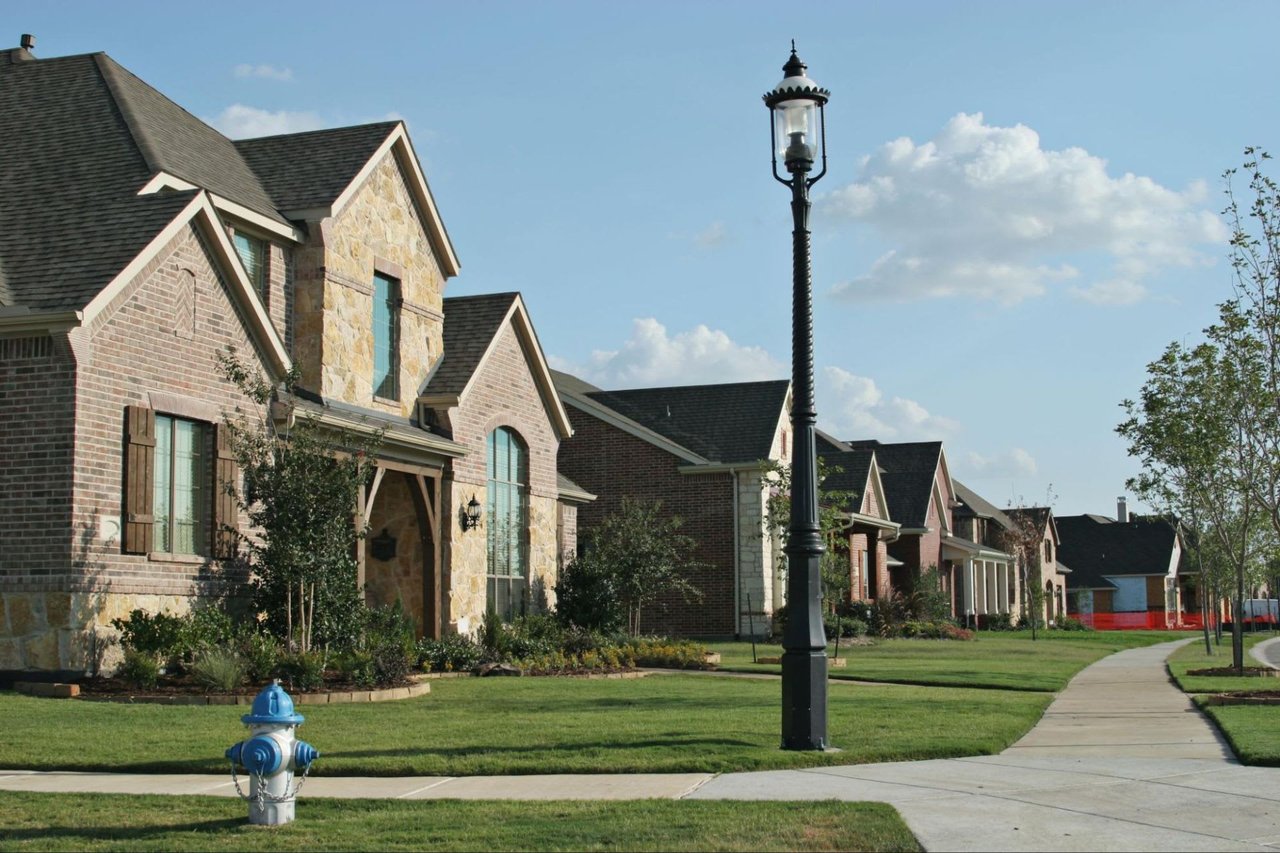
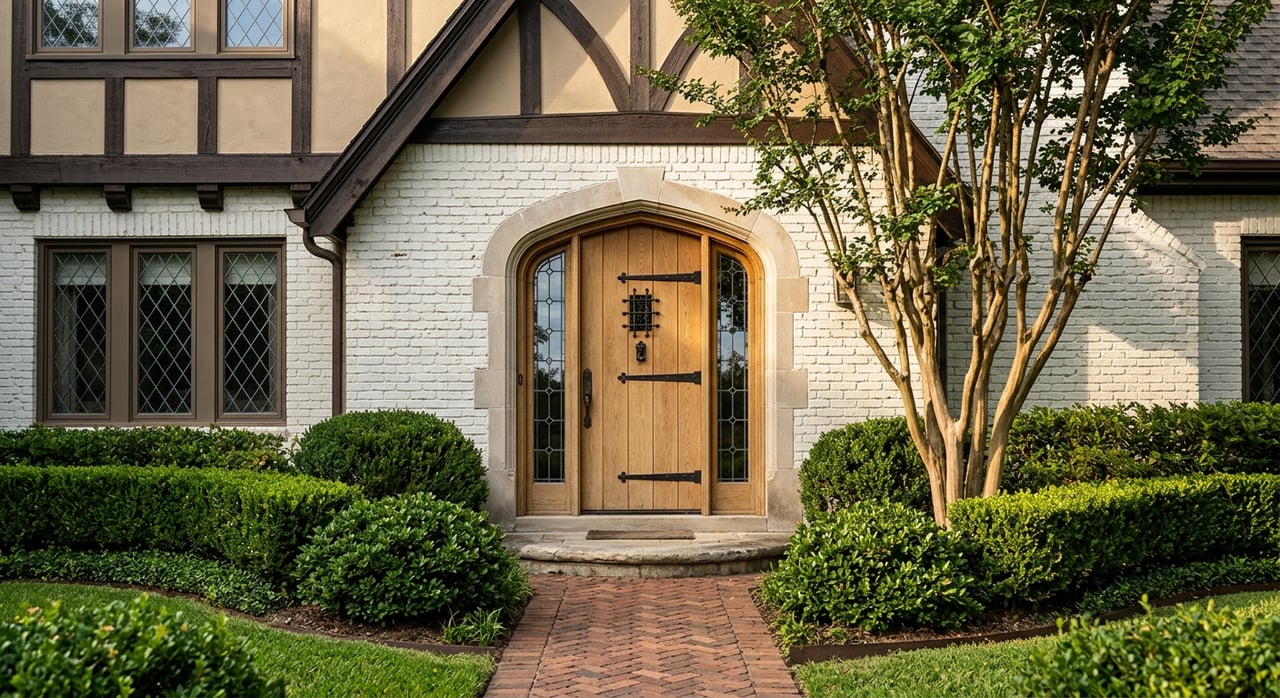
Dreaming about a Lakewood home with original charm, mature trees, and architecture you cannot easily find in newer construction? You are not alone, and you are also right to look a little closer before you buy. Historic-home shopping in Lakewood can be incredibly rewarding, but it comes with different rules, maintenance needs, and due-diligence steps than a typical home search. Let’s walk through what makes buying a historic home in Lakewood unique and how you can shop with confidence.
Why Lakewood Historic Homes Stand Out
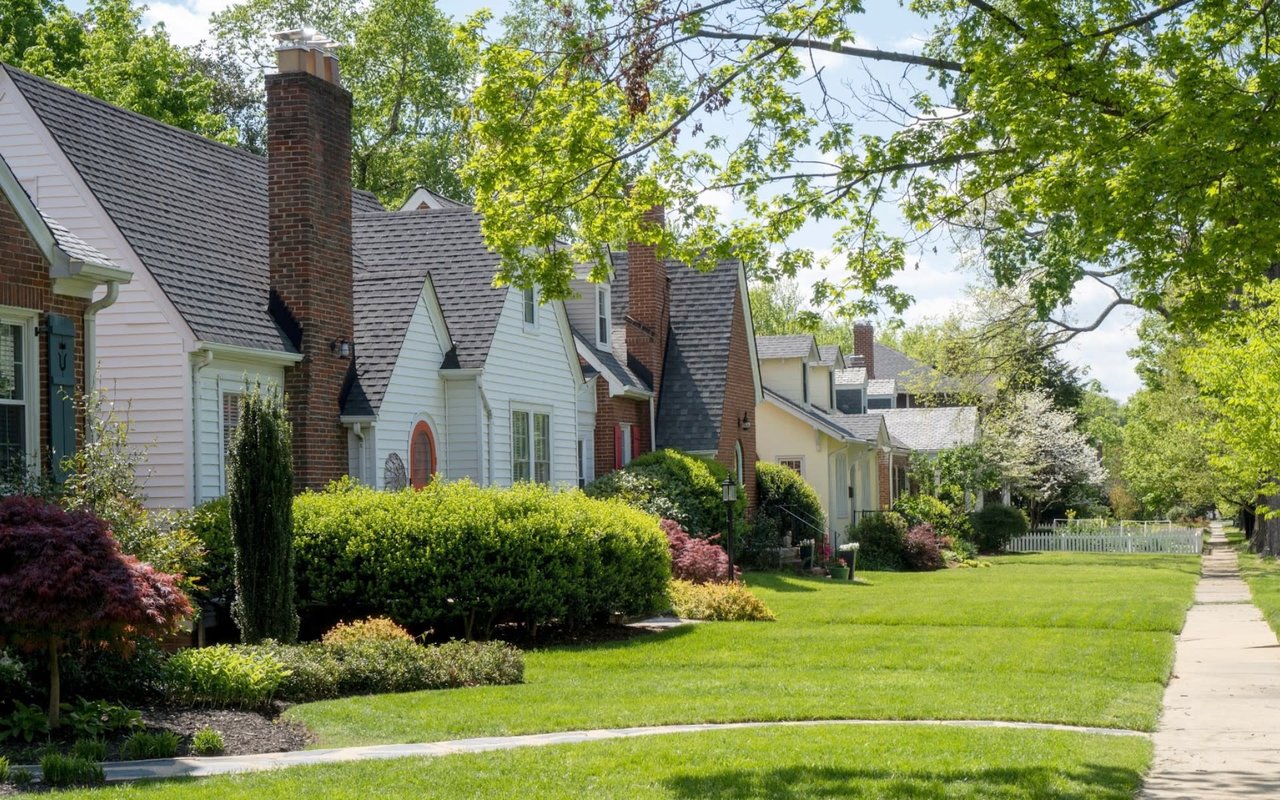
Lakewood is known for older housing stock, with many homes built from the 1920s through the 1950s. City of Dallas materials for the Lakewood Conservation District-2 expansion cite an average home age of 1945 and note that many homes were built between 1924 and 1959. That gives the area a very different feel from neighborhoods shaped mostly by later postwar construction.
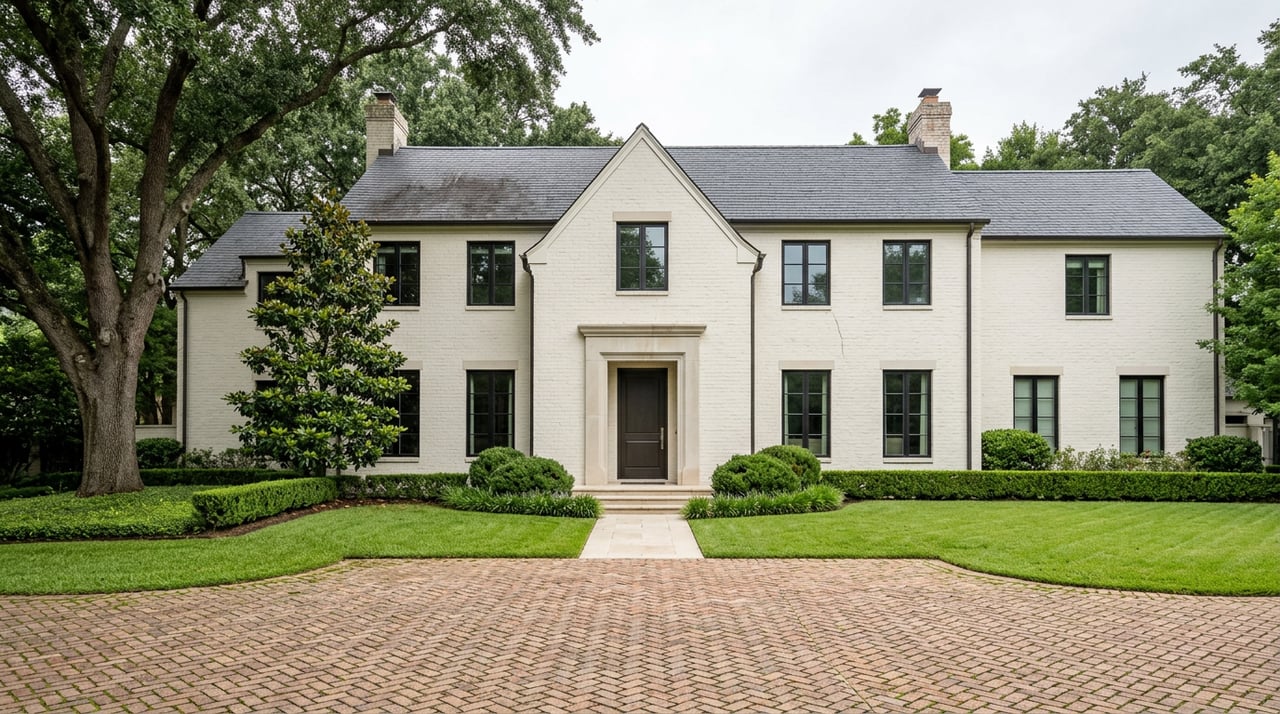
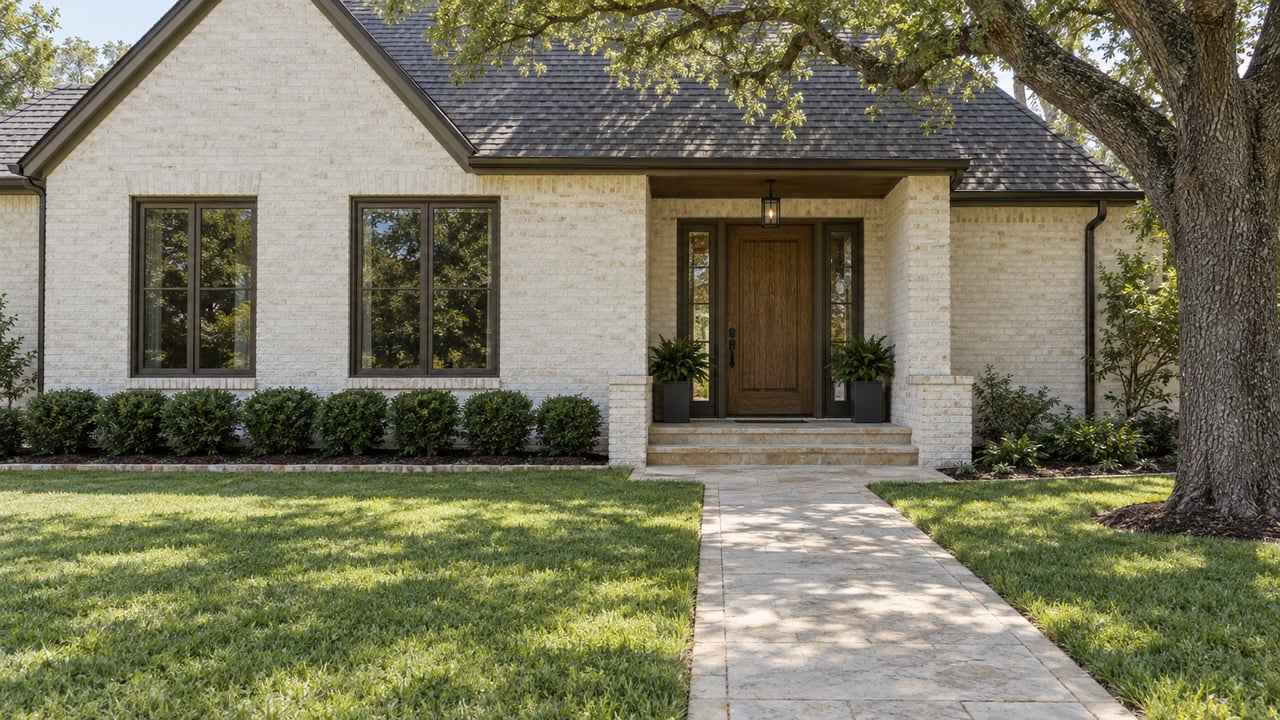
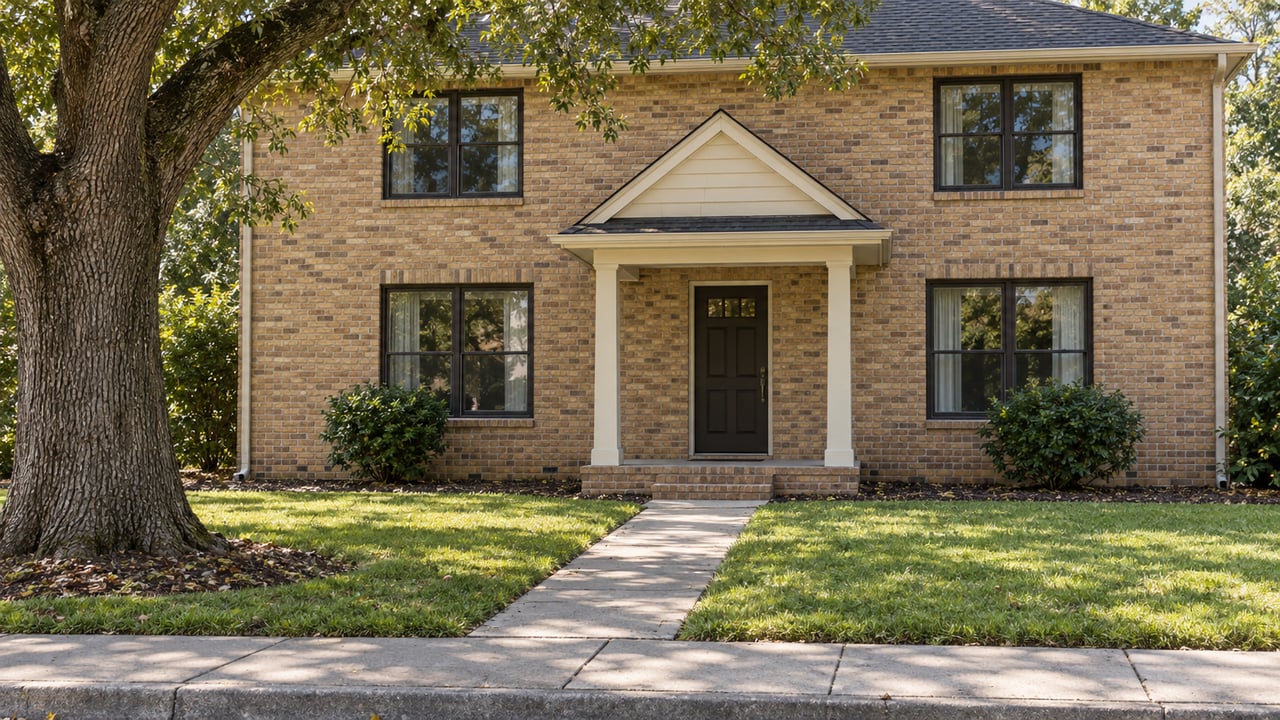
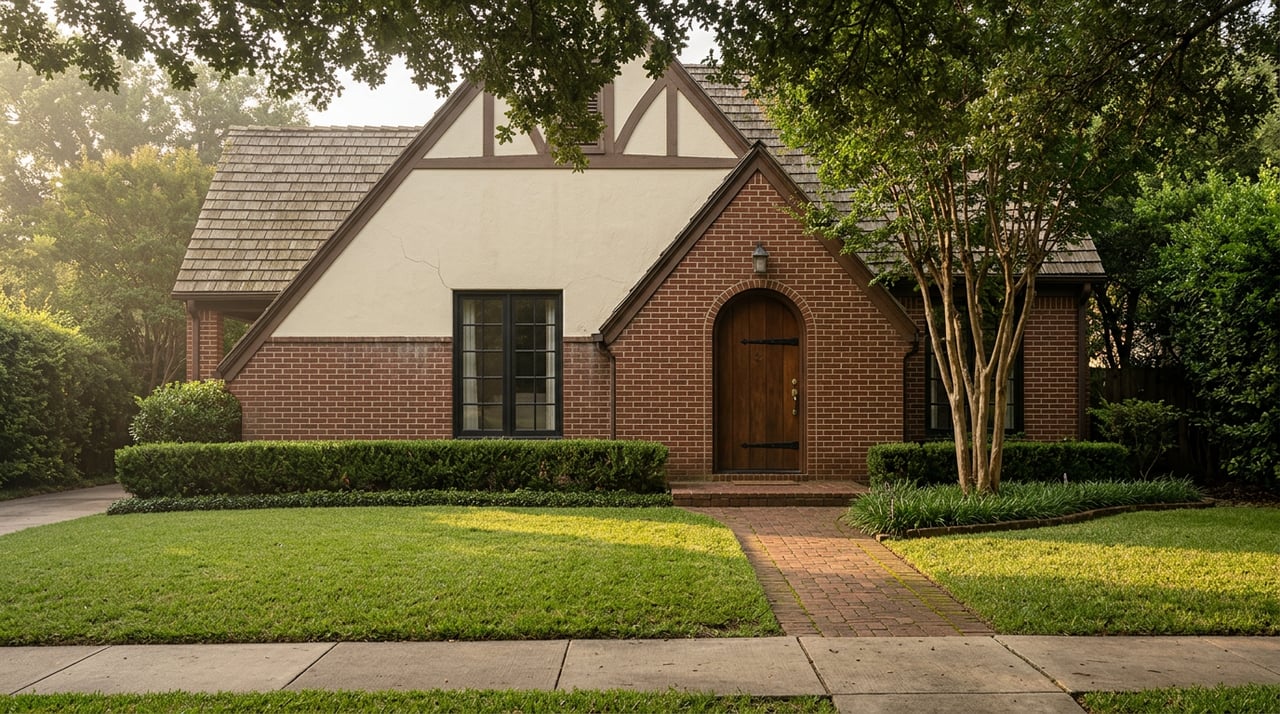
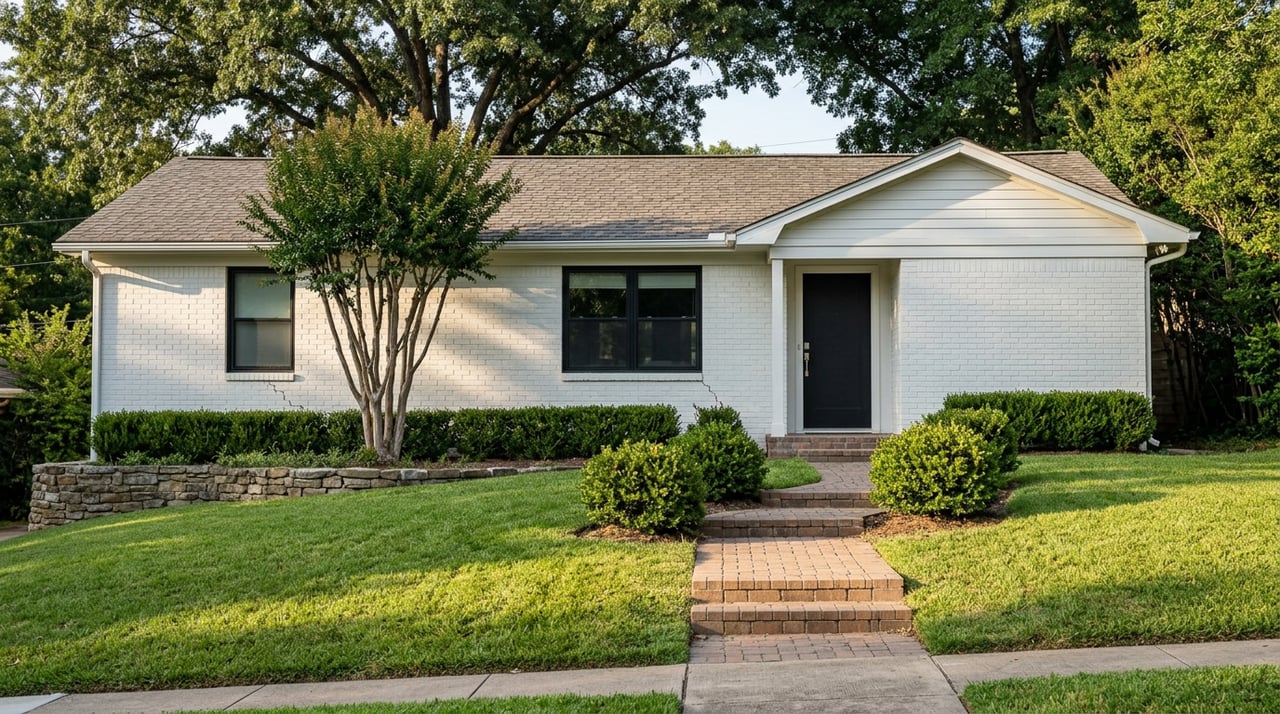
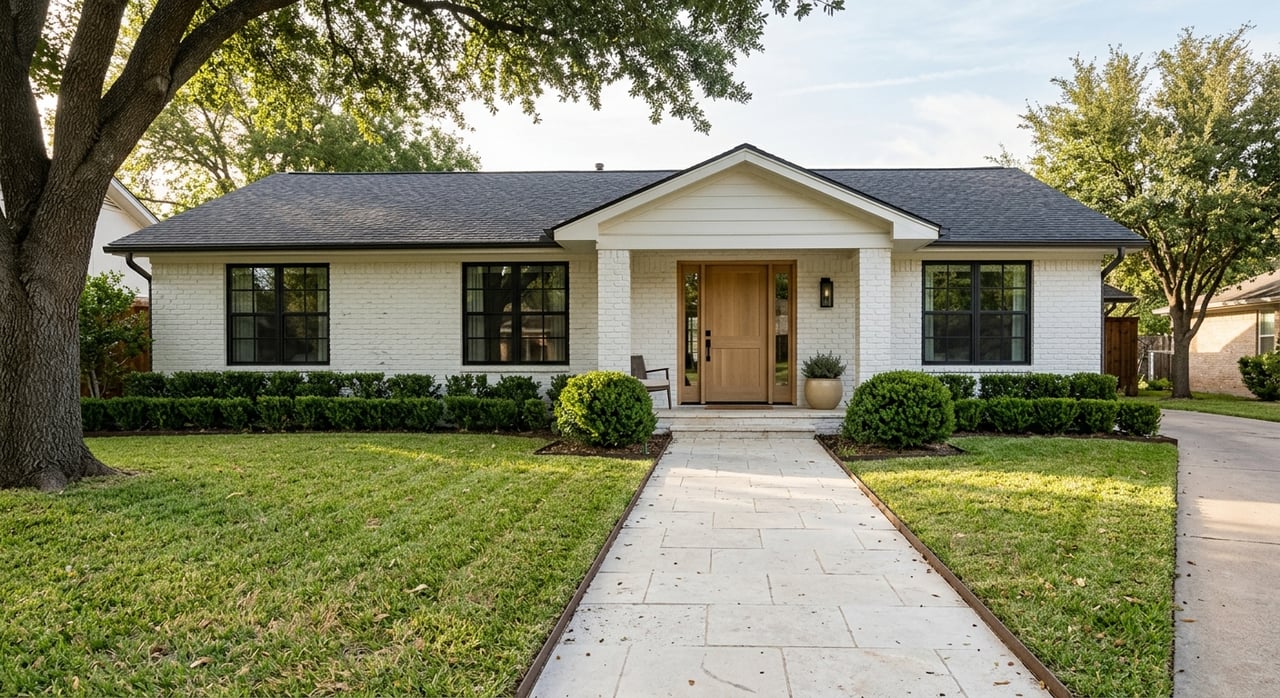
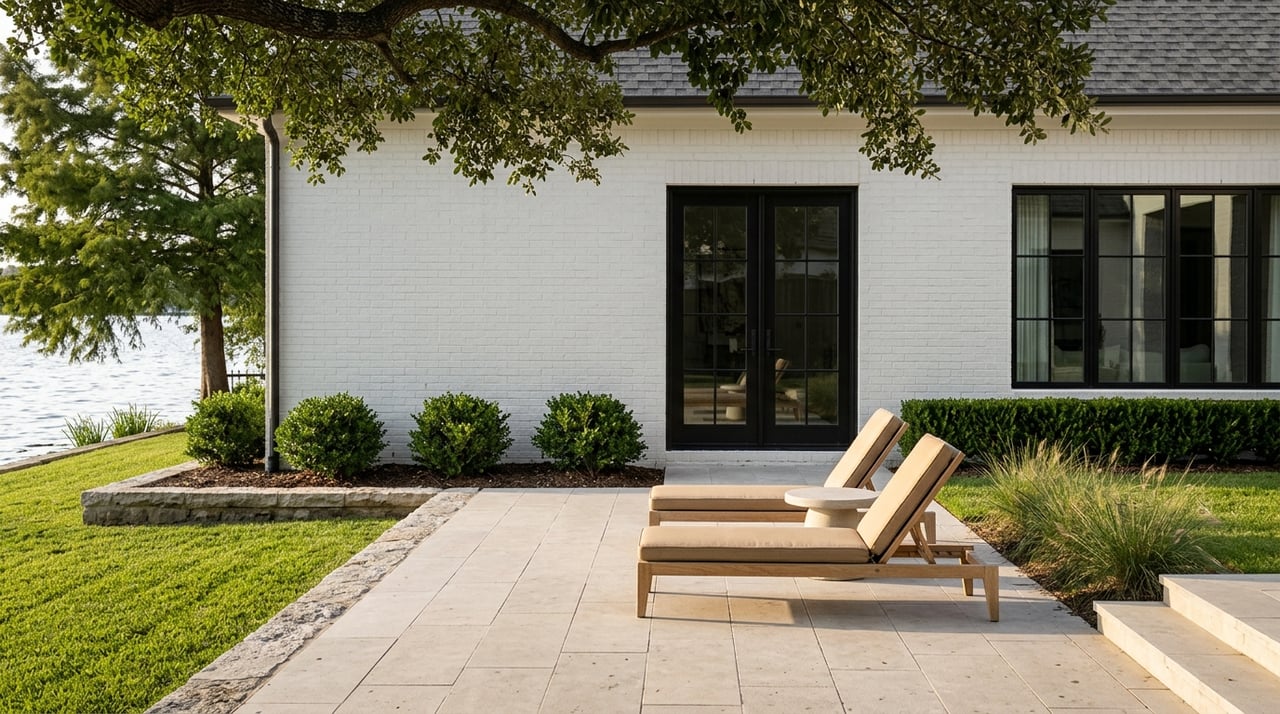
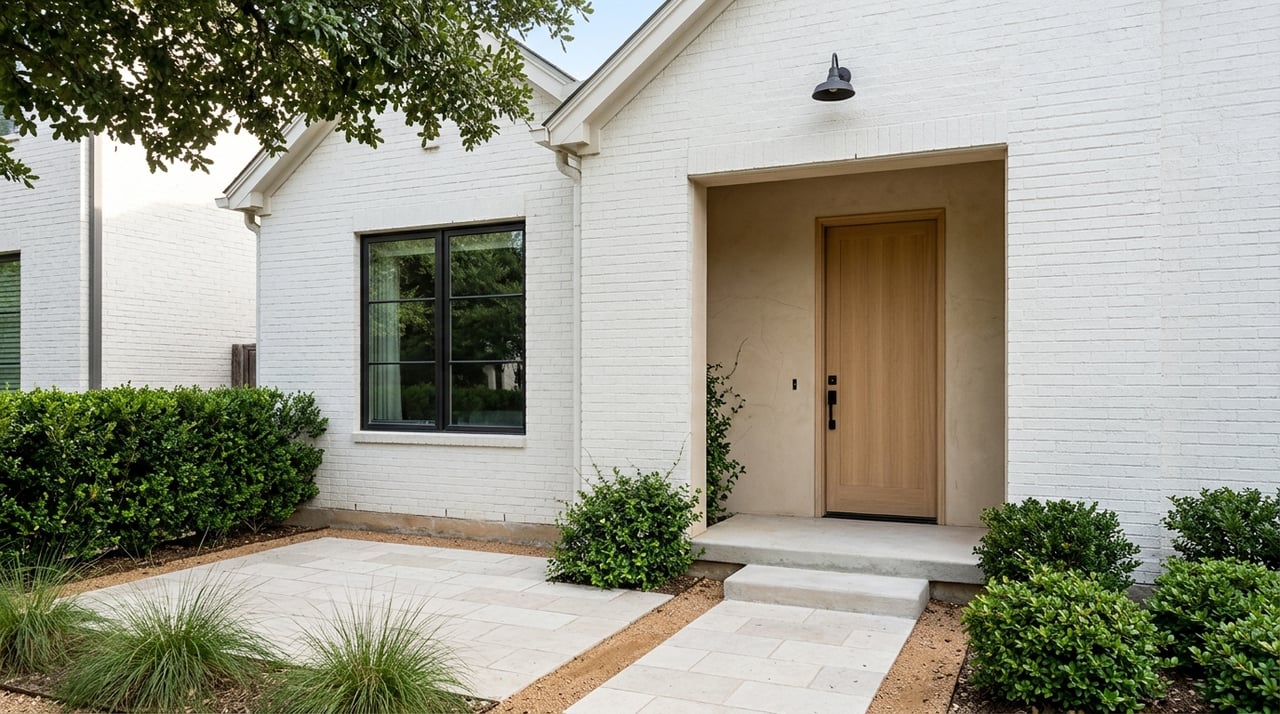
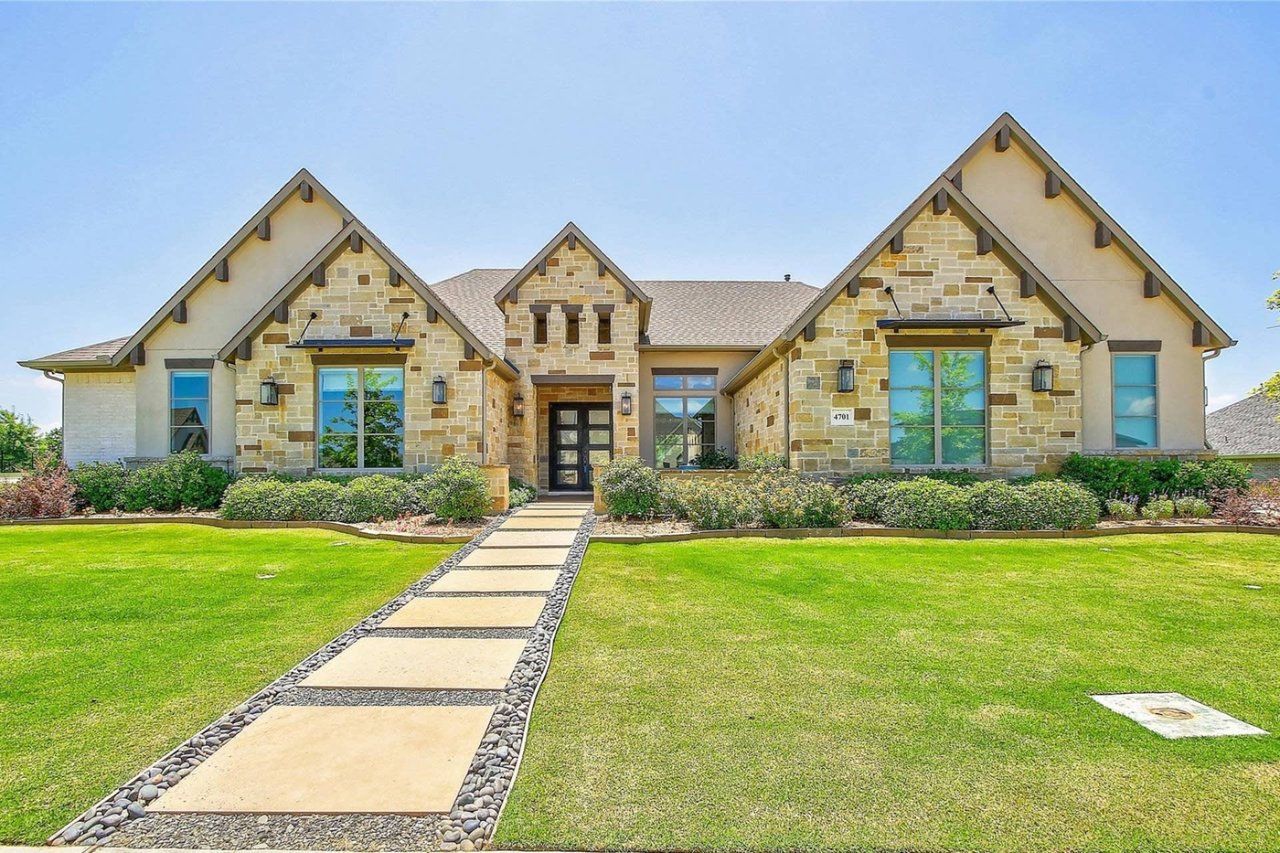
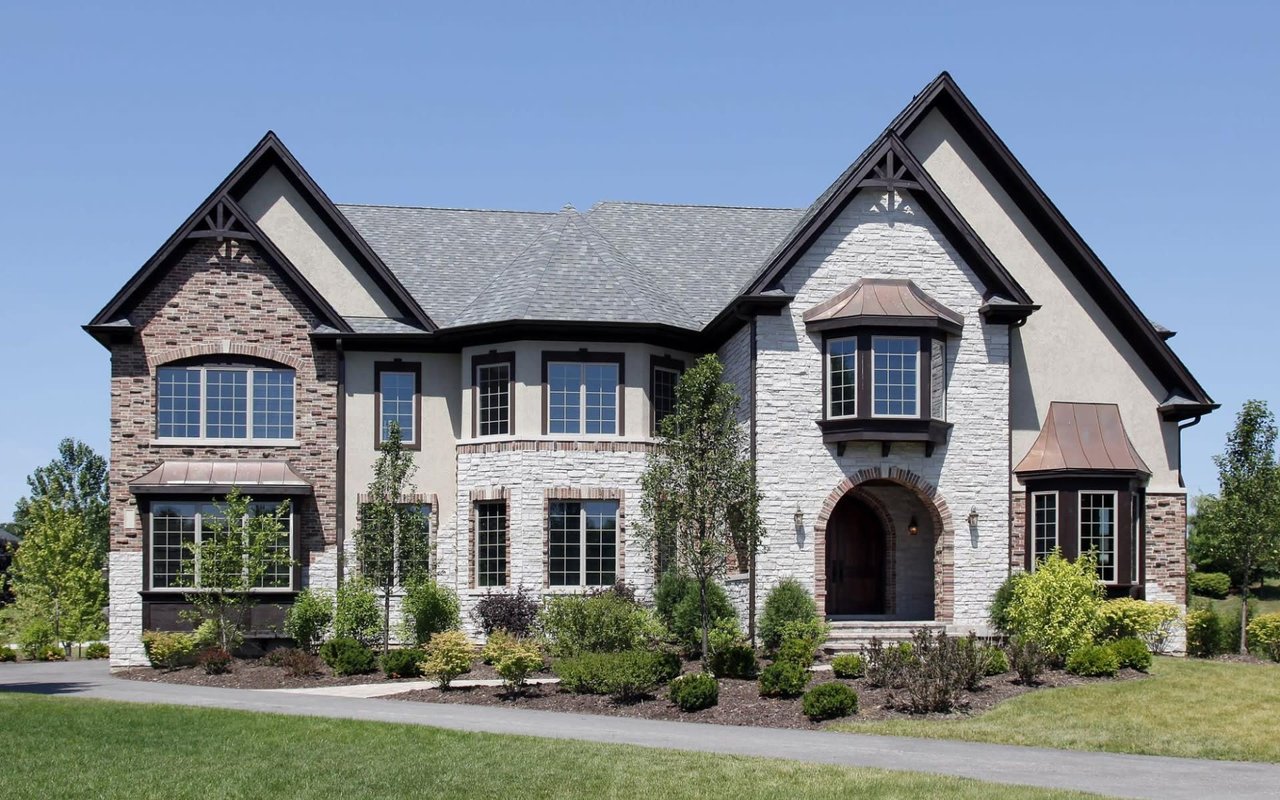
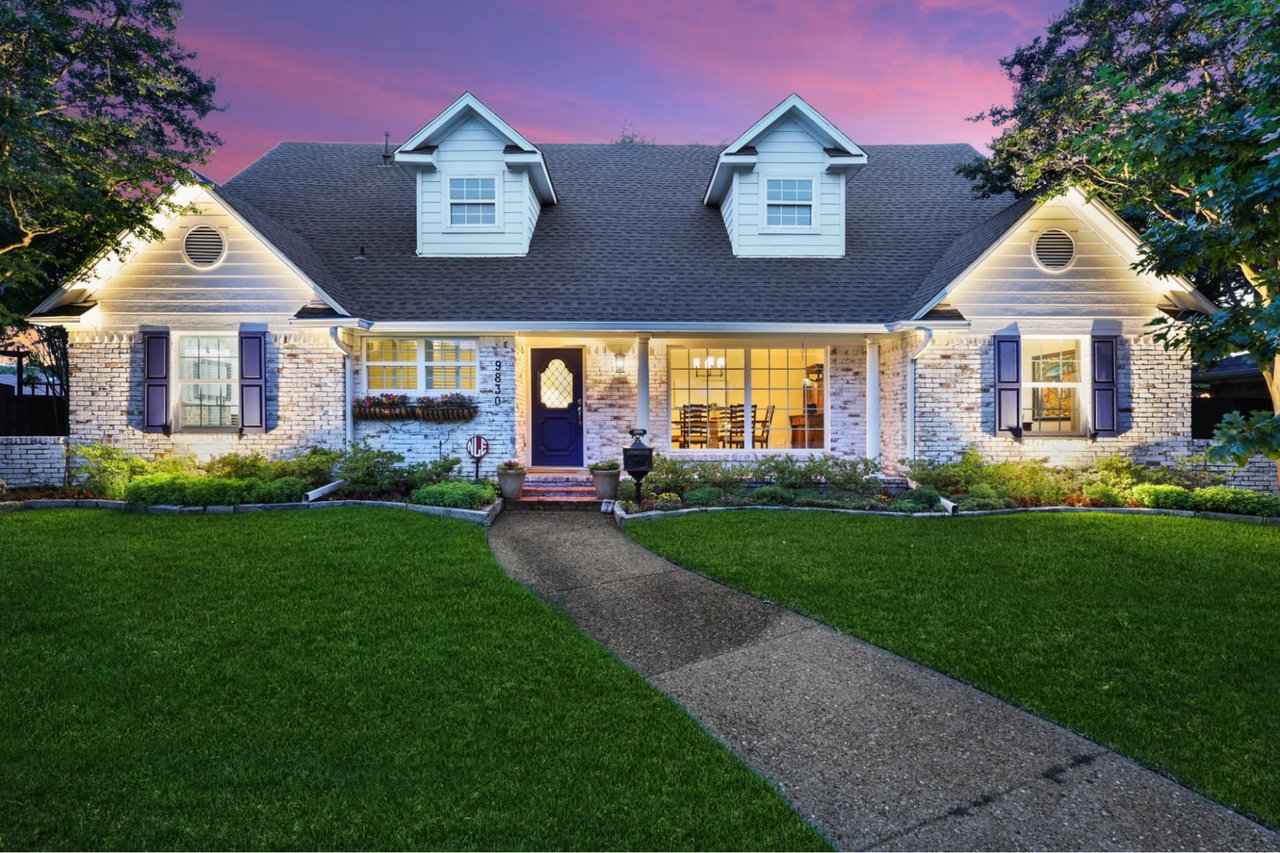
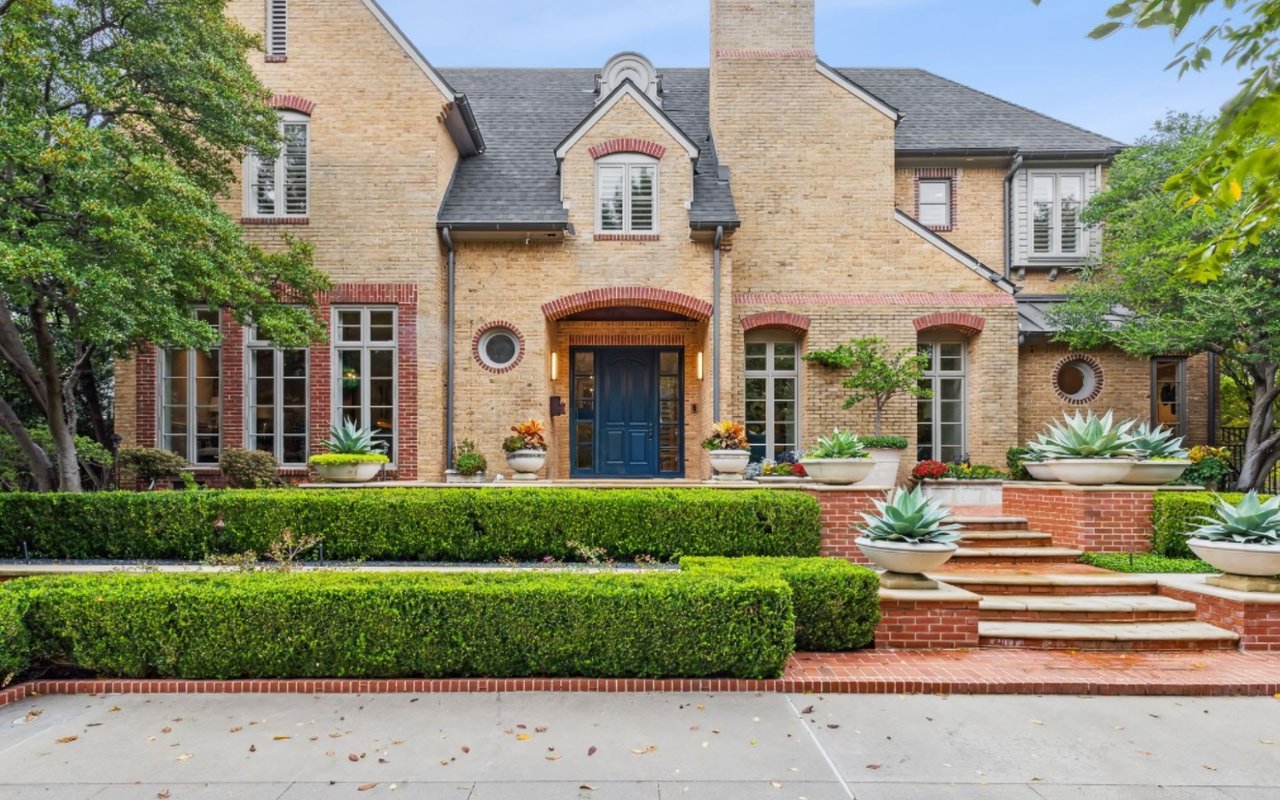
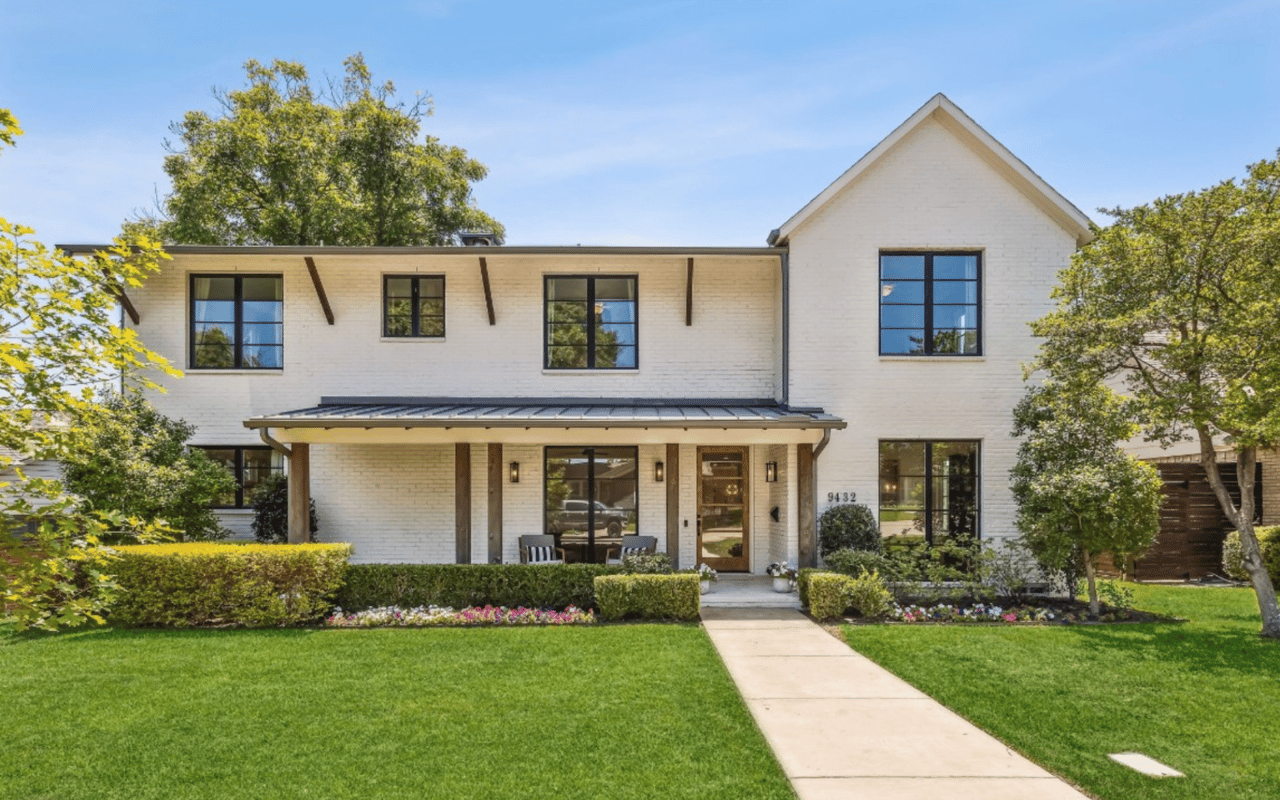
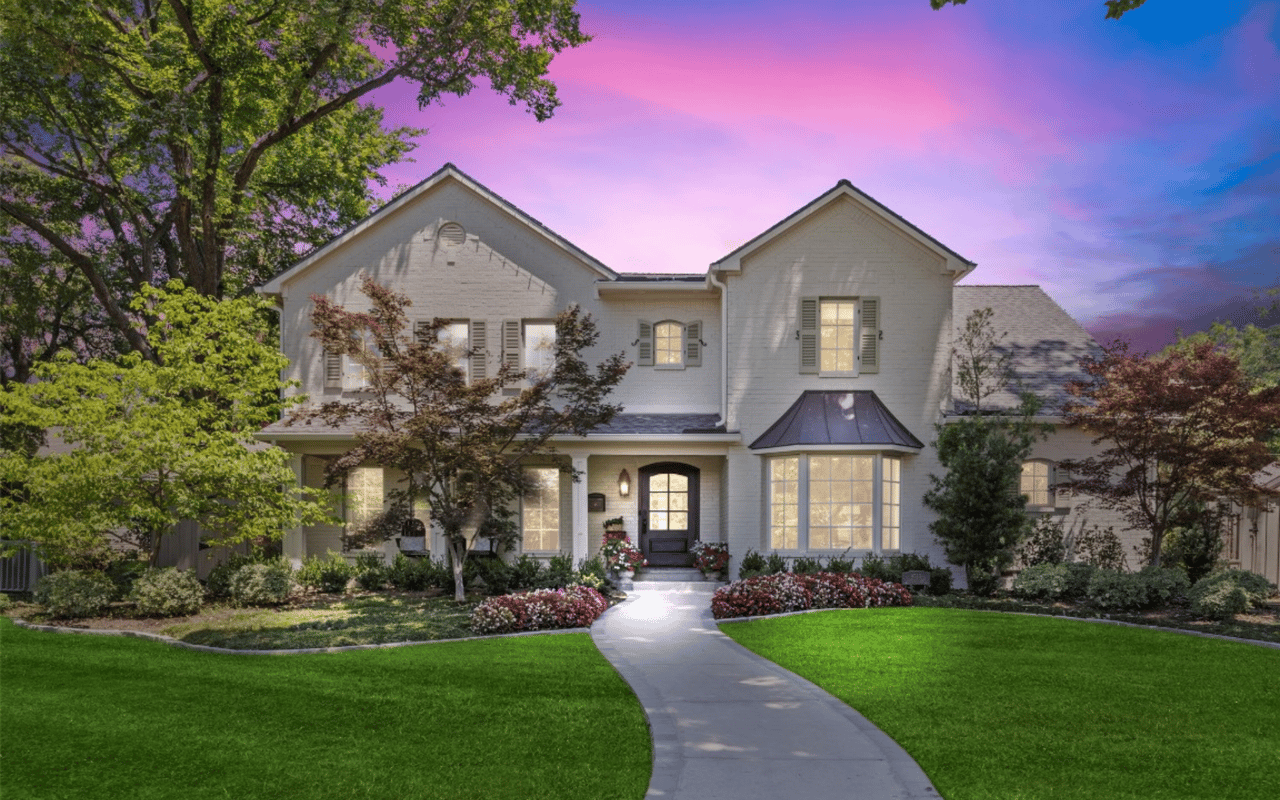
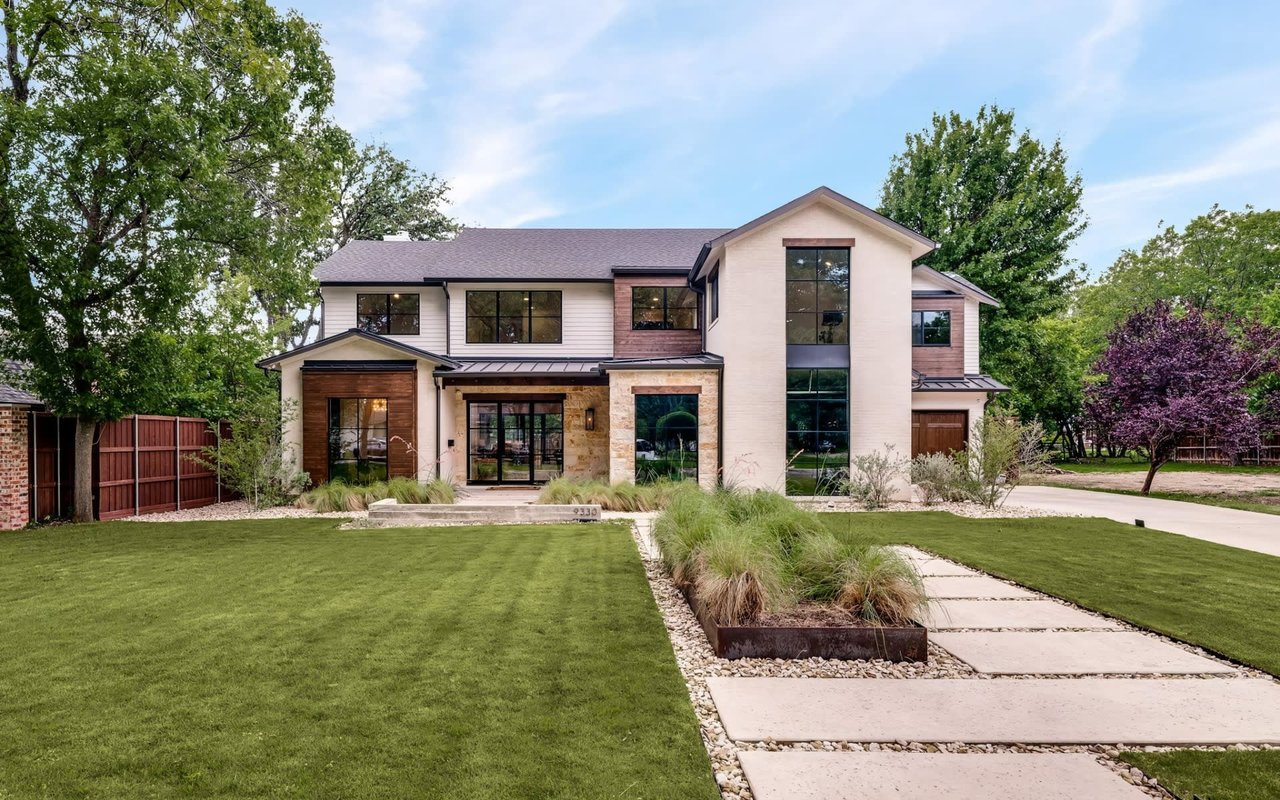
Part of the appeal is the architecture itself. In Lakewood, you may see Tudor, Spanish Eclectic, French Eclectic, Colonial Revival, Neoclassical, Minimal Traditional, Ranch, and Mid-Century Modern homes. Common features include masonry and wood siding, pier-and-beam foundations, tile, slate, or composition roofs, stained or leaded-glass windows, balconies, and courtyards.
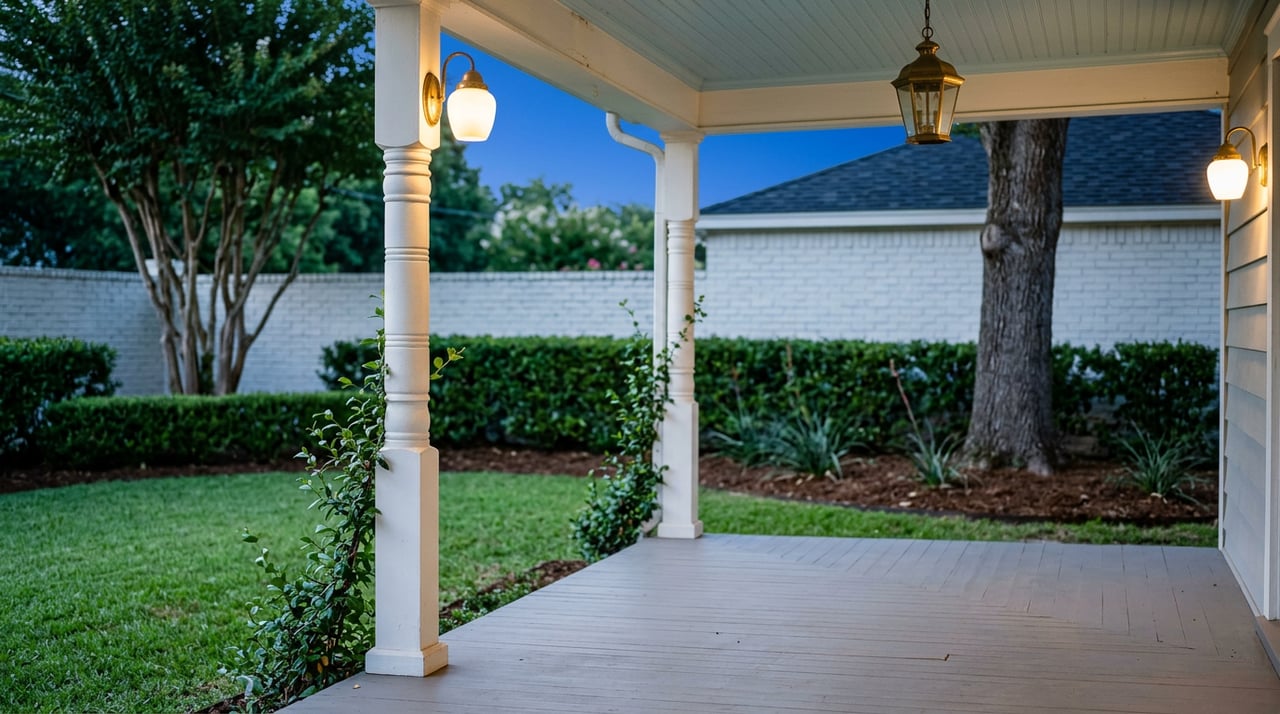
For many buyers, the value is not just square footage. It is the original proportions, period trim, rooflines, porches, and windows that give these homes their identity. In a neighborhood like Lakewood, architectural character is a major part of the purchase.
Not Every Older Home Has the Same Rules
One of the biggest mistakes buyers can make is assuming every older Lakewood home is regulated in the same way. Dallas says the original Lakewood Conservation District was adopted in 1988 and originally covered only Country Club Estates. That means you need to verify the specific parcel rather than relying on the age or appearance of the house.
A property may be in a conservation district, in a landmark district, individually designated, or outside any historic overlay. That distinction matters because future repairs, additions, exterior updates, and demolition plans may be reviewed differently depending on the designation. A home can look historic without having the same approval path as the one down the street.
Before you close, it is smart to confirm the property status through the City of Dallas zoning map tools, MapMyNeighborhood, and Dallas County Appraisal District records. This simple step can help you avoid surprises if you hope to remodel later.
What Historic Ownership Really Means
Owning a historic home usually means taking a repair-first mindset. Preservation guidance emphasizes keeping the existing form, materials, and features whenever possible, with repair and maintenance preferred over large-scale replacement. When replacement is necessary, the goal is to match the original as closely as possible in composition, design, color, and texture.
That matters because many Lakewood buyers fall in love with original details right away. Wood windows, masonry facades, old trim, tile roofs, and period features can be a major asset, but they also call for thoughtful care. A successful update often starts with understanding what can be saved instead of assuming everything should be replaced.
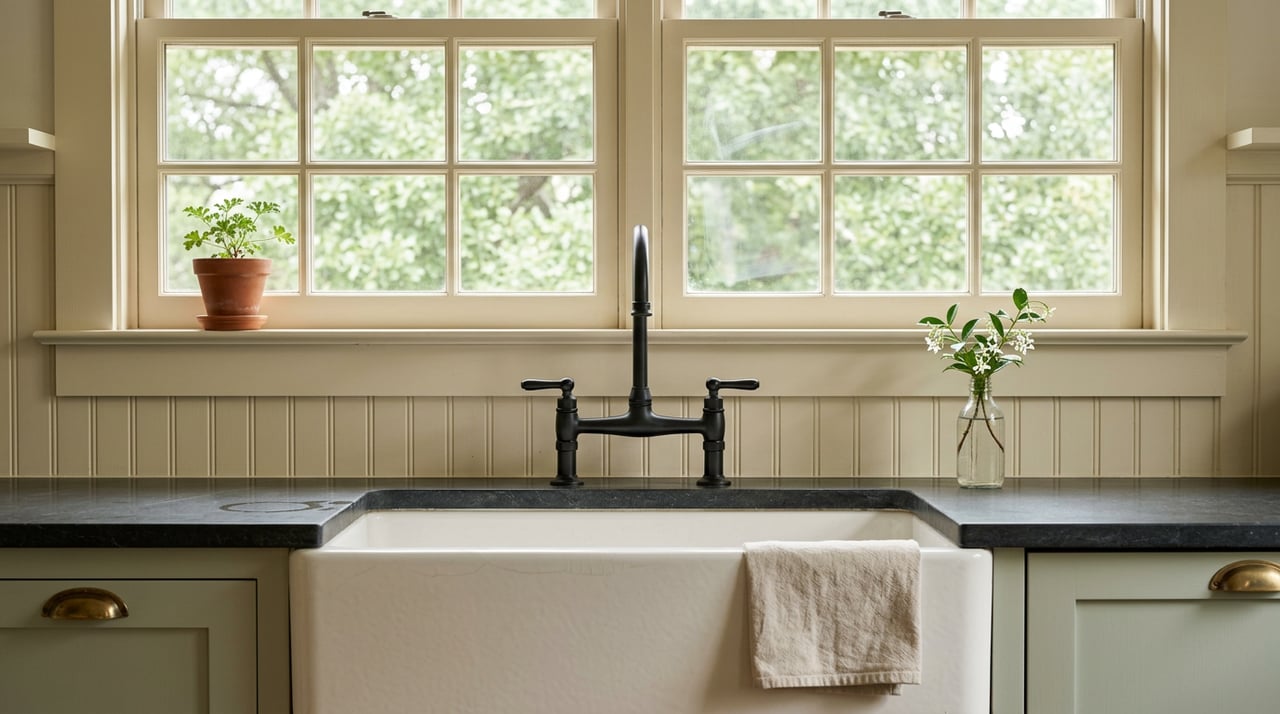
Windows and roofs deserve extra attention. Preservation guidance says original wood windows should be retained when possible, and they can often be improved with acceptable storm windows rather than replaced outright. Roof maintenance is equally important because leaks can quickly damage wood, plaster, masonry, paint, and structural components.
Dallas Approvals to Know Before You Buy
If a property is in a Dallas landmark district or is an individually designated Dallas Landmark, exterior work generally requires a Certificate of Appropriateness before work begins. Dallas also notes that some smaller changes may qualify as staff-reviewed routine maintenance, while larger alterations may go before the Landmark Commission. As of May 5, 2025, the city says these applications are processed through DallasNow.
Demolition rules matter too. Dallas requires a Certificate of Demolition for demolition of any structure within a historic district. If you are considering a major remodel, addition, or future teardown, this is something to understand before you buy, not after.
Conservation districts work differently from landmark districts, but they still have district-specific development and architectural standards set by ordinance. In those areas, a work review form can provide assurance that proposed work aligns with the ordinance. In Lakewood, where some homes are in conservation-district areas and others are not, this distinction is especially important.
Ask About Historic Tax Incentives
If the property is a City of Dallas Landmark or a contributing property within a Landmark District, it may qualify for the city’s historic tax incentive program for rehabilitation projects. Dallas also says annual application to the Dallas County Appraisal District is required to maintain the exemption. This is not something every older home will qualify for, but it is worth asking about if the designation applies.
For buyers planning thoughtful improvements, that question can be part of a bigger financial picture. The right property may offer not just charm, but also a clearer path for preserving value through compliant renovation.
Inspection Priorities for Older Lakewood Homes
A historic home inspection should go beyond the basics. Older homes often require a closer look at materials, moisture, past repairs, and how the house has performed over time. In Lakewood, where many homes were built decades ago, that due diligence is part of buying smart.
Start With Moisture and Drainage
Moisture is one of the biggest threats to older homes. Preservation guidance identifies exterior water intrusion, ground moisture, leaking plumbing or mechanical equipment, interior humidity, and water used during maintenance or construction as common sources of damage.
During inspection, pay close attention to:
- Roof condition
- Gutters and downspouts
- Window and door joints
- Grading and runoff handling
- Signs of settlement or foundation movement
- Evidence of past or active leaks
Blocked gutters, poor drainage, deferred maintenance, and settlement cracks can all lead to larger problems over time. In a historic home, small moisture issues can affect much more than cosmetics.
Understand Lead-Based Paint Risks
EPA says older homes are more likely to contain lead-based paint. It estimates that 87% of homes built before 1940 and 24% of homes built between 1960 and 1978 contain some lead-based paint.
For pre-1978 housing, federal disclosure rules require sellers to provide an EPA-approved lead pamphlet, a lead warning statement, and any known lead information before the buyer is obligated under contract. If you plan to renovate, EPA recommends using certified lead professionals and lead-safe certified firms before disturbing painted surfaces.
Ask About Plumbing and Water Lines
Lead can also enter drinking water through lead service lines and other lead-containing plumbing materials, especially in older homes and older cities. In a Lakewood purchase, it is reasonable to ask questions about plumbing updates and water service lines as part of your due diligence.
This does not mean every older home has a major issue. It does mean older systems deserve clear answers before you move forward.
Do Not Guess About Asbestos
EPA says asbestos may be present in older buildings in materials such as floor tile, ceiling tile, shingles, siding, insulation, and pipe wrap. You cannot confirm asbestos just by looking at a material.
If a suspect material is damaged or your renovation plans would disturb it, the next step is testing by a properly trained and accredited asbestos professional. This is one more reason renovation planning should start early when you are buying an older home.
When Specialists Make Sense
A general home inspection is a starting point, but it may not be the end of the story for a historic property. Depending on the findings, you may want to bring in:
- A structural or foundation specialist
- A preservation-minded contractor
- A lead professional
- An asbestos inspector
This is not about creating fear around older homes. It is about matching the right expert to the age, materials, and condition of the house so you can make a more informed decision.
Smart Questions to Ask Before Closing
If you are serious about buying a historic home in Lakewood, these questions can help you avoid costly surprises later:
- Is the home inside a conservation district, landmark district, individually designated, or outside any historic overlay?
- What types of exterior work would require review or approval?
- If I want to renovate later, what standards will apply?
- Has the roof, drainage, or flashing been maintained properly?
- Are the original windows still in place, and if so, what is their condition?
- Is there any known lead-based paint information for the property?
- Are there older plumbing materials or water line concerns to investigate?
- Are there suspect materials that should be tested for asbestos before renovation?
- Could the property qualify for Dallas historic tax incentives?
The more answers you have before closing, the easier it is to budget, plan, and move forward with confidence.
Why Local Guidance Matters in Lakewood
In a neighborhood like Lakewood, buying a historic home is about more than finding a pretty facade. You are evaluating architecture, condition, city rules, and long-term stewardship all at once. That process is much easier when you have guidance from a team that understands East Dallas housing stock, design details, and the practical realities of older homes.
The right home can offer character that is hard to replicate and lasting appeal that continues to draw buyers to Lakewood year after year. If you are weighing charm against maintenance, or trying to understand what a specific property may allow in the future, local insight can make all the difference.
If you are considering a historic home in Lakewood, The B.A.R Group can help you evaluate the property, the neighborhood context, and the next steps with clear, honest guidance.
FAQs
What makes buying a historic home in Lakewood different from buying a newer Dallas home?
- Many Lakewood homes were built between 1924 and 1959, and buyers often need to evaluate original materials, architectural details, maintenance history, and possible historic district rules before purchasing.
What should you verify about historic district status for a Lakewood home?
- You should confirm whether the property is in a conservation district, landmark district, individually designated, or outside any historic overlay, because the approval process for future exterior work can vary by parcel.
What approvals might you need for exterior work on a historic Lakewood property?
- If the property is in a Dallas landmark district or is an individually designated landmark, exterior work generally requires a Certificate of Appropriateness before work begins, and demolition within a historic district requires a Certificate of Demolition.
What inspection issues matter most when buying an older Lakewood home?
- Moisture, roof condition, gutters, downspouts, grading, settlement, foundation movement, windows, older plumbing materials, and signs of prior repairs should all be reviewed carefully.
What should you know about lead-based paint in an older Lakewood home?
- For pre-1978 homes, lead-based paint may be present, and sellers must provide required lead disclosures before the buyer is obligated under contract.
What should you do if you suspect asbestos in a Lakewood historic home?
- If a suspect material is damaged or renovation would disturb it, EPA recommends testing by a properly trained and accredited asbestos professional rather than guessing based on appearance alone.
Can a historic Lakewood home qualify for a Dallas tax incentive?
- It may qualify if it is a City of Dallas Landmark or a contributing property within a Landmark District and the owner completes the required annual application with the Dallas County Appraisal District.