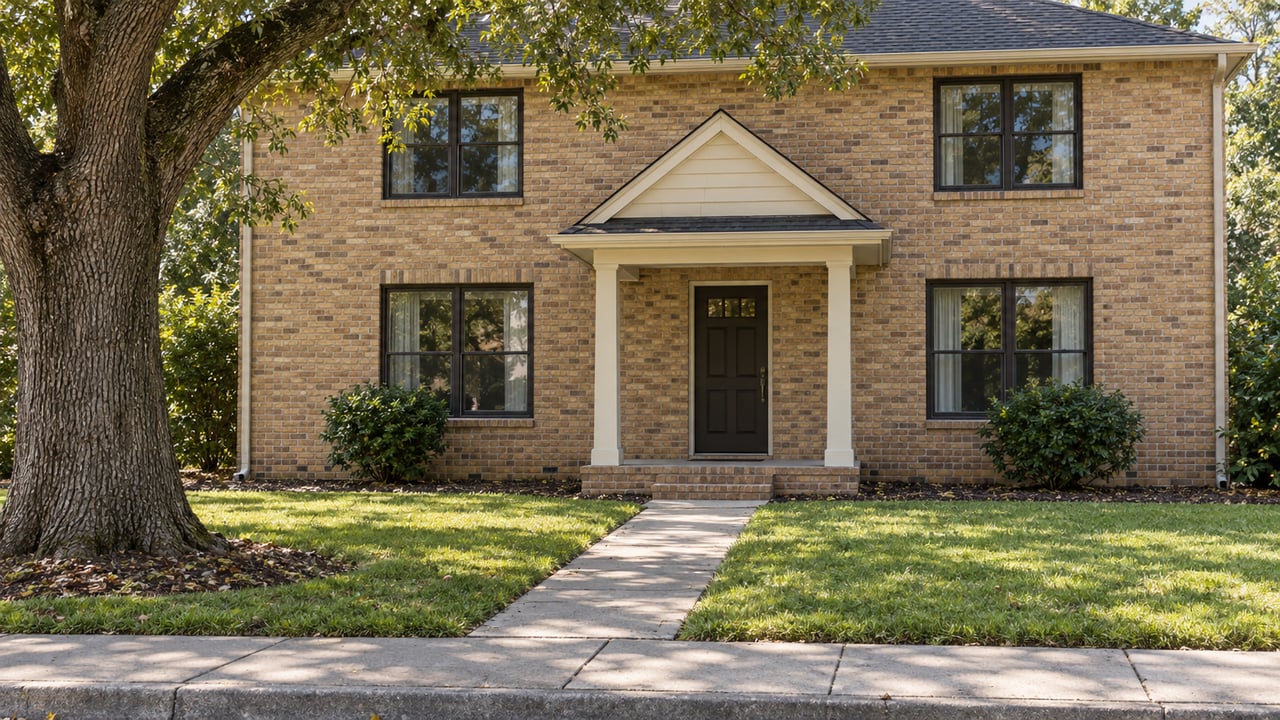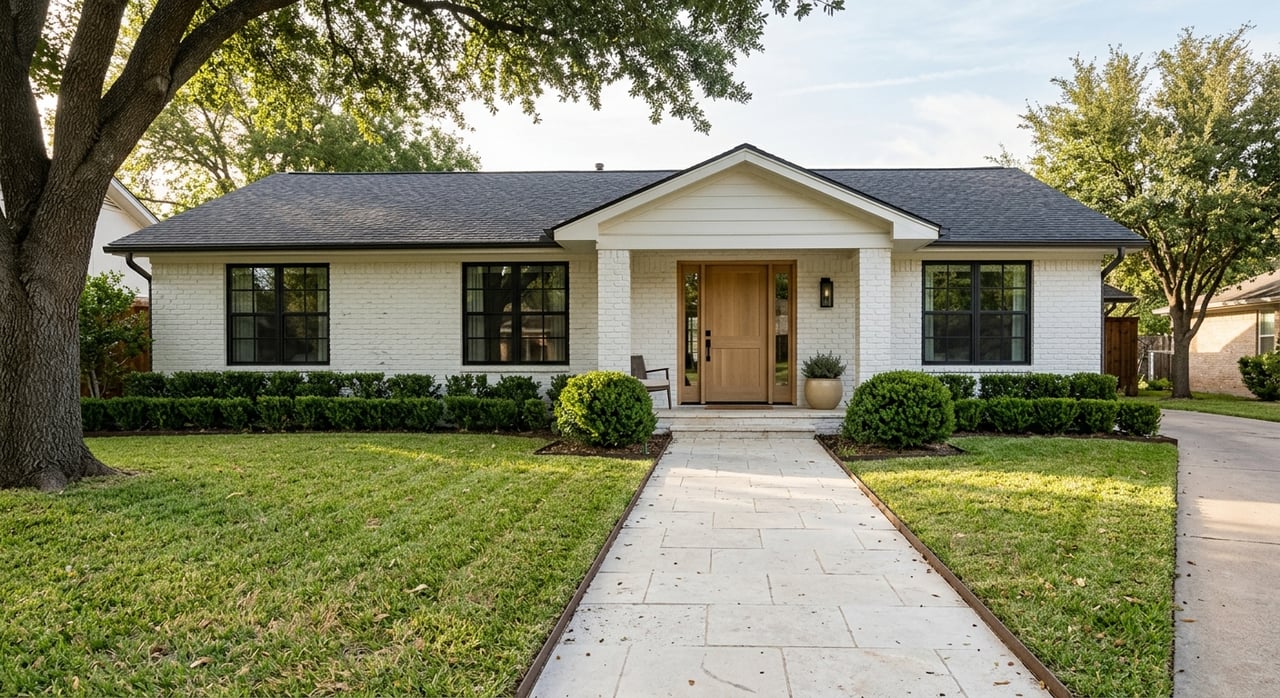
Drive down Hillcrest past JD's Chippery and Cotton Island and you'll see it now: a red, white, and blue marquee glowing atop the plaza, spelling out "Snider Plaza" next to the year 1927. It went up between July 31 and the first week of August, and it is the first physical sign the shopping center has ever had. Ninety-nine years of business here, and this is the first time anyone bothered to put a name on the building.
If you've lived near University Park long enough to remember the barricades, the sign is the part of this story you can actually photograph. It is not the part that changes how your Tuesday works.
The Sign Marks an Ending, Not the Event
The sign went up because the city finished something, not because it started something. Snider Plaza has been under some form of construction since 2024, first for water and sewer replacement, then for the surface improvements project that redid sidewalks, streets, parking, lighting, and the fountain in phases that crept block by block from Daniel Avenue north. City engineer Katie Barron told residents at neighborhood meetings back in 2024 that the work would be worth the disruption once it wrapped. It has now wrapped. The City of University Park's own project page confirms construction is complete and describes the plaza as the city's original 1927 commercial district, finally settled into its new footprint.
A finished streetscape is a good story for a city newsletter. It is not, by itself, a reason for a resident to change how they use the plaza. What actually changes daily life is what the city did next.
The City Rewrote the Rulebook Before the Concrete Was Finished
While the physical work closed out, University Park's city council approved a set of operating rules for the plaza that took effect February 1, 2026. None of them got the attention the restaurants did, but together they change how you park, how you walk between stores, and how a business can put a table on the sidewalk.
- Alleys now run one direction only. The alley on the east side of the plaza is one-way northbound. The alley on the west side is one-way southbound. If you've been cutting through the back the way you always have, you'll need a new route.
- A residential parking district now covers the blocks west of the plaza. Only residents and their visitors with placards can park there on weekdays between 8 a.m. and 5 p.m. Overflow parking that used to spill onto those streets during a busy lunch now has nowhere to land.
- Outdoor seating requires a license agreement. Any restaurant that wants tables and chairs in the public right of way now has to apply through the city rather than just setting them out. Umbrellas and heaters that don't meet fire code aren't allowed at all.
- Delivery trucks are restricted between 11 a.m. and 2 p.m., and vehicles over 10,000 pounds with three or more axles are barred from the plaza outright.
None of this is dramatic on its own. Together it means the plaza now behaves less like a strip center that grew up around a parking lot and more like a district with an actual traffic plan. The city is also building the funding to make that plan stick: council approved a Public Improvement District for the plaza in May 2026, running from January 2027 through 2036, funded by a $0.15-per-$100 property assessment expected to generate roughly $194,000 in its first year, earmarked specifically for offsite employee parking for the plaza's 150 to 200 workers.
That number matters because parking has already cost the plaza a business. When Douglas Bar and Grill closed in 2024, its original owner told the Dallas Morning News that a lack of parking was part of the reason. The city is set to assess the plaza's own property owners to fix the exact problem that helped end a restaurant two years ago.
Four New Concepts Have Landed in Under a Year
The plaza's restaurant lineup changed fast enough that it's worth laying out in order, because the pace is the story as much as any single opening.
| Business | Opened | Previously occupied |
|---|---|---|
| El Molino | Early October 2025 | The Douglas Bar and Grill space, after an Italian concept called Montecito's was scrapped for the site |
| Gelato La Boca | Summer 2025 | New build at 3406 Rosedale Avenue, the brand's first storefront after two years as delivery-only |
| Sweet Paris Crêperie & Café | 2026 | The former Buff City Soap space at 6632 Snider Plaza |
| Sueño Coctelería Mexicana | June 10, 2026 | The old Peggy's BBQ site at 6600 Snider Plaza |
That's four new full concepts landing within about a year of each other, on top of a plaza that already held Kuby's Sausage House, Bubba's Cooks Country, Burger House, and Bandito's Tex Mex Cantina. Sueño alone brought a live-fire kitchen and a dedicated tequila lounge called Alma Agave into a 6,259-square-foot space with room for 116 diners, a scale the plaza has not seen before. El Molino runs 83 seats around wood-fired fajitas. Gelato La Boca added a fixed counter to the online delivery and Klyde Warren Park cart business it had run since 2023. None of these are quiet additions. All of them opened in the same window the city was rewriting its traffic and parking rules.
That is not a coincidence worth ignoring, though the sequence runs the opposite direction you might expect. El Molino and Gelato La Boca both opened in 2025 while the surface work was still finishing along Daniel and Rankin. Only Sweet Paris and Sueño waited for the city to call the project complete. Operators were betting on this plaza before the concrete was even dry, and the rulebook that took effect February 1, 2026 is the reason that bet is starting to pay off in longer waits at the door. The sign just happens to be the visible marker of that convergence.
What This Actually Changes About a Saturday Here
If you live within walking distance of Snider Plaza, the practical shift looks like this. A Friday night at Sueño now competes for tables the way a destination restaurant would, not the way a neighborhood taqueria did. If you've been in the habit of walking in without a reservation, that habit needs updating. The old alley shortcut you used to cut from Rosedale to Daniel now only runs one direction, so a quick pass-through requires checking which way before you turn in. If you park on the residential streets west of the plaza during a weekday lunch out of habit, you now need a placard or a different spot, because that stretch is a protected residential zone during business hours.
None of these are inconveniences dressed up as trends. They are the direct, traceable result of a city finishing a multi-year infrastructure project and having already decided how the plaza should function once the construction fencing came down. The sign is the part you can see from the car. The rules are the part you notice the first time you try to do something the old way and can't.
The Plaza Isn't Finished Changing, It's Just Finished Building
The city has scheduled a formal review of the new parking, alley, and sidewalk policies for fall 2026, which means the rules as they stand right now are a first draft, not a final answer. A PID board made up of property owners and merchants still has to be appointed before the improvement district can start collecting its assessment in January 2027. And the community calendar published by the plaza's own merchant association already has Eggtober scheduled for October 25, 2026, the kind of resident-facing event that only works if the sidewalks, parking, and storefronts behind it are actually settled.
Ninety-nine years without a sign, then a sign, four new restaurants, a new parking district, and a funding mechanism to fix the exact problem that closed a restaurant two years earlier, all landing within about the same year. The marquee at Hillcrest and Daniel is a nice piece of civic branding. The actual story is that Snider Plaza spent years rebuilding itself from the ground up, and it picked this particular year to show its work.
If you're weighing what a home near Snider Plaza is actually worth once the barricades and the guesswork are both gone, The B.A.R. Group works these blocks every day and can walk you through what's changed on the ground, not just what the sign says.
This article is general information, not legal, tax or financial advice. Consult a qualified professional about your situation.