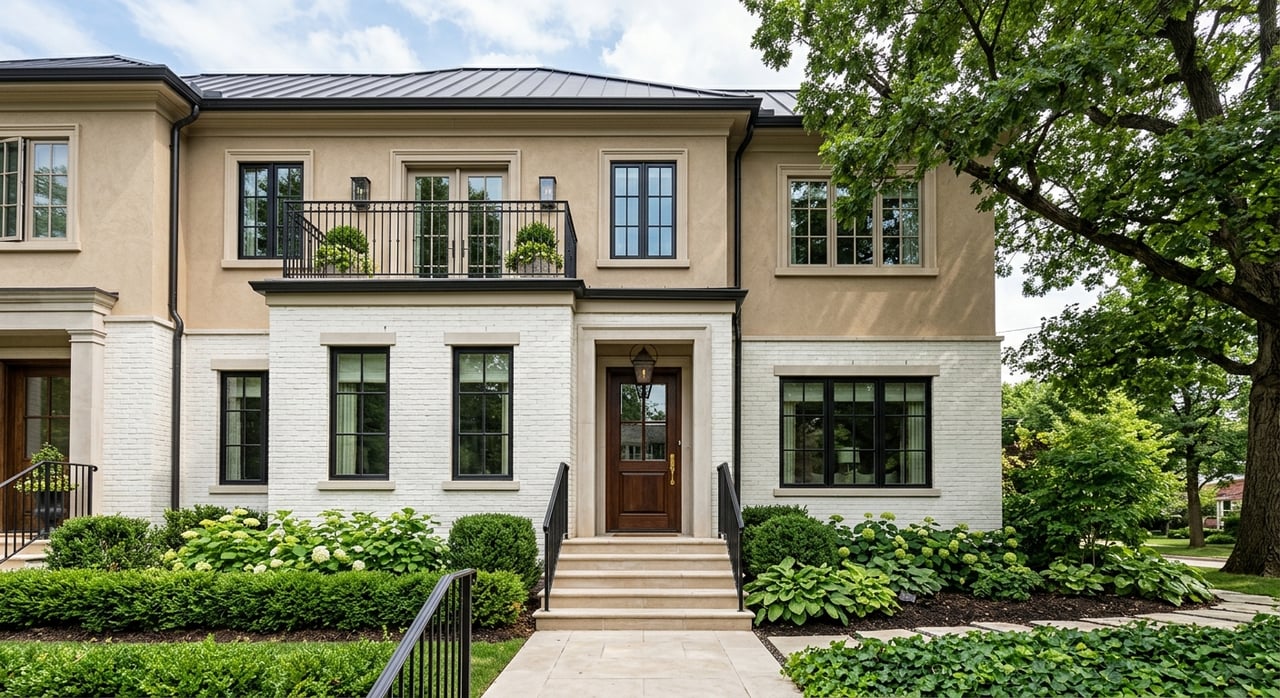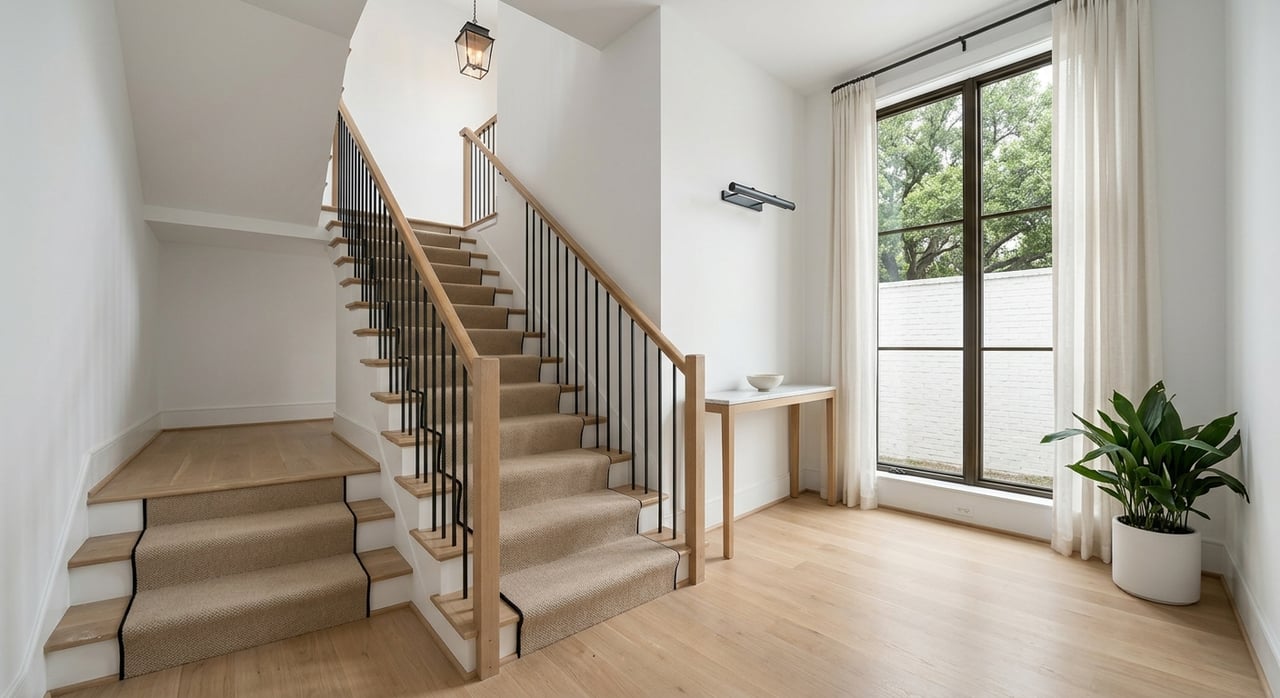

Thinking about buying a loft or condo in Downtown Dallas? It can be an exciting move, but it is also one of the easiest places in Dallas to oversimplify. Two homes with similar square footage can live very differently depending on the building, the block, the parking setup, and the association. This guide will help you understand what to compare, what documents matter most, and how to shop smarter in Downtown Dallas. Let’s dive in.
Downtown Dallas Is Not One Condo Market
Downtown Dallas works more like a collection of connected micro-markets than one uniform condo district. Planning materials for downtown reference areas such as the Dallas Arts District, Main Street District, West End Historic District, and Civic Center, each with its own feel and building mix.
For you as a buyer, that means the address alone does not tell the whole story. A unit in one district may offer a very different day-to-day experience than a unit just a few blocks away, even if both are labeled Downtown Dallas.
Public space is part of that lifestyle equation too. Downtown parks including Main Street Garden, Belo Garden, and Carpenter Park add usable green space to the urban core, and Main Street Garden is described as a gathering place for residents, employees, and visitors.
Transit is another major draw. DART says all four light rail lines pass through downtown Dallas, and the system includes bus and streetcar connections, plus the Trinity Railway Express linking downtown Dallas and Fort Worth. If you want a more walkable, car-light lifestyle, downtown can offer options that are harder to match in other parts of the metro.
Compare the Building, Not Just the Unit
A beautiful kitchen and a strong view can catch your attention fast, but downtown buying should go deeper than finishes. In loft and condo buildings, the way the property is legally structured and physically operated can affect your ownership experience just as much as the interior design.
Some downtown homes are true condominium units with shared common elements and, in some cases, limited common elements that may include assigned parking areas. Texas Real Estate Commission contract forms treat the unit, its common-element interest, and any assigned parking as part of the purchase package.
That matters because you should never assume parking or storage based on a floor plan or listing photos alone. You want those details confirmed in the declaration and contract documents.
It is also smart to confirm whether the property is actually a condominium regime. TREC notes that its condo resale contract is for condominium units and not for properties where the seller owns fee-simple title to the land beneath the unit, which means some loft-style urban housing may have a different ownership structure.
What to Check Inside the Unit
Downtown homes often make efficient use of space, so layout matters. A unit can look large online but feel awkward in person if the room flow, storage, or bedroom privacy does not fit how you live.
As you compare options, focus on the details that shape everyday comfort:
- Layout usability
- Natural light
- Noise levels
- Elevator access
- Storage space
- Parking arrangement
These practical factors can influence both your enjoyment now and buyer appeal later. In compact urban homes, function usually matters just as much as square footage.
HOA Review Is a Big Part of the Purchase
When you buy a downtown condo, you are not only buying the unit. You are also stepping into a homeowners association, and the association’s financial health can have a real impact on your monthly costs and future plans.
Texas law requires condo associations to keep detailed financial records, make financial records reasonably available for inspection, and obtain an annual independent audit that must be available to unit owners. For associations with eight or more units, there are also document-retention requirements for governing documents and financial books and records.
That framework is helpful, but the key for buyers is knowing which document gives you the clearest snapshot. In most cases, that is the resale certificate.
Why the Resale Certificate Matters
The resale certificate can tell you much more than the monthly HOA dues. TREC’s form calls for disclosures on transfer restrictions, regular assessments, unpaid special assessments, other unpaid amounts, approved capital spending, reserve balances, current budget information, unsatisfied judgments, pending suits, insurance coverage, known code or rule violations, and any remaining leasehold term.
That is why this document is one of the most important parts of your due diligence. It can help you spot whether a building appears financially steady or whether there may be warning signs like thin reserves, litigation, or upcoming expenses.
If you want a practical way to read the resale certificate, start with these questions:
- What are the monthly assessments?
- How large are the reserves?
- Are any capital projects already approved?
- Are there unpaid or special assessments?
- Is there pending litigation or an unsatisfied judgment?
- What insurance coverage does the association carry?
- Are there transfer or leasing restrictions?
- Are there known code or rule violations?
These answers can shape affordability just as much as your mortgage payment. In some buildings, the list price is only part of the financial picture.
Texas Buyer Protections to Know
Texas gives condo buyers an important protection if documents are not delivered before contract execution. State law provides a short cancellation right when the seller does not provide the condominium documents or resale certificate before the contract is signed, and TREC’s condo contract reflects that protection.
That does not mean you should rush and sort it out later. It means you have a reason to stay disciplined about document timing and review.
If you need a deeper look, Texas law also allows buyers to inspect association books and records through a designated agent, attorney, or CPA. That can be especially helpful if a building’s expenses, reserves, or recurring issues need closer review.
Financing Can Shape Your Options Early
Not every downtown condo will fit every financing path. If you may use FHA financing, project eligibility should be checked early in the process, not after you have negotiated terms.
HUD says FHA condo financing depends on project approval or single-unit approval rules. In general, the project must be complete and ready for occupancy, have at least five dwelling units, and meet criteria related to owner occupancy, financial condition, insurance coverage, and overall marketability.
Even if you are not using FHA financing today, financing rules still matter because they can affect the future pool of buyers when you sell. Buildings with fewer financing obstacles may have broader resale appeal.
Parking in Downtown Dallas Deserves Extra Attention
In Downtown Dallas, parking should get the same level of attention as the kitchen, closets, and view. The setup can vary from building to building, and your experience may depend on whether a space is assigned, deeded, or leased through the association or another arrangement.
The City of Dallas also uses Resident Parking Only permits in designated zones to restrict on-street parking during certain hours. Vehicles without permits in those areas can be ticketed, towed, or immobilized.
That is why you should verify exactly what comes with the unit and what does not. Ask about:
- Number of parking spaces
- Whether spaces are assigned, deeded, or leased
- Guest parking availability
- Storage tied to the parking area
- How realistic nearby street parking is
This may sound like a small issue at first, but in an urban setting it can affect convenience, guests, and resale appeal in a big way.
What Often Supports Resale Strength
No one can promise future resale performance, but some fundamentals tend to matter more than others in downtown loft and condo markets. Buildings with transparent finances, manageable dues, healthy reserves, few or no special assessments, workable parking, and practical floor plans are often easier for buyers to evaluate.
In Downtown Dallas specifically, location still matters, but district identity, access to parks, and transit access are also major lifestyle drivers. That is one reason a block-by-block approach is so useful here.
When you tour properties, try to think like both an owner and a future seller. A stylish unit can be appealing, but solid building fundamentals often matter just as much over time.
A Smart Downtown Dallas Buyer Checklist
Before you move forward on a loft or condo, make sure you have answers to the questions that matter most:
- Is the property a true condominium, and what is the ownership structure?
- What common elements and limited common elements come with the unit?
- Is parking included, and how is it documented?
- What are the monthly HOA dues?
- How strong are reserves?
- Are any special assessments unpaid or expected?
- Are capital projects already approved?
- Are there rental, pet, renovation, or short-term rental restrictions?
- Is there pending litigation?
- Is the building eligible for the financing type you plan to use?
- How do the layout, noise, light, and storage work for your daily life?
If you can answer these questions clearly, you will be in a much stronger position to compare options with confidence.
Downtown Dallas can offer a compelling mix of urban energy, transit access, parks, and distinctive building character. The key is to buy with a clear understanding of the building, the documents, and the day-to-day details that will shape how the home lives.
If you are weighing downtown options and want practical guidance on how a specific building, unit, or contract detail fits your goals, The B.A.R Group can help you evaluate the moving pieces with clear, honest strategy.
FAQs
What should you compare when buying a Downtown Dallas condo?
- Compare the building type, legal ownership structure, layout, natural light, noise, elevator access, storage, parking rights, HOA dues, reserves, and any restrictions tied to the property.
Why does the HOA resale certificate matter for Downtown Dallas buyers?
- The resale certificate can reveal assessments, reserve balances, approved capital spending, litigation, insurance coverage, restrictions, and other issues that may affect affordability and risk.
How important is parking when buying a Downtown Dallas loft?
- Parking is very important because downtown setups vary by building, and on-street parking may be limited in designated Resident Parking Only zones.
Can Downtown Dallas condo financing vary by building?
- Yes. Financing can vary by project, and buyers considering FHA financing should check eligibility early because building approval and project standards can affect loan options.
Why do Downtown Dallas buyers need to verify condo documents carefully?
- Condo rules and ownership details are building-specific, so reviewing the declaration, bylaws, resale certificate, and contract documents helps you confirm what you are buying and what restrictions or costs may apply.