Thinking about trading Dallas for Richardson or Far North Dallas? It can sound like a simple move north, but the reality is more nuanced. You may get a different housing mix, a more owner-oriented feel, and strong access to major corridors, but not necessarily a lower price point. If you want to understand what really changes, this guide will help you compare lifestyle, housing, commute, and value so you can make a smart move. Let’s dive in.
What Changes When You Move North
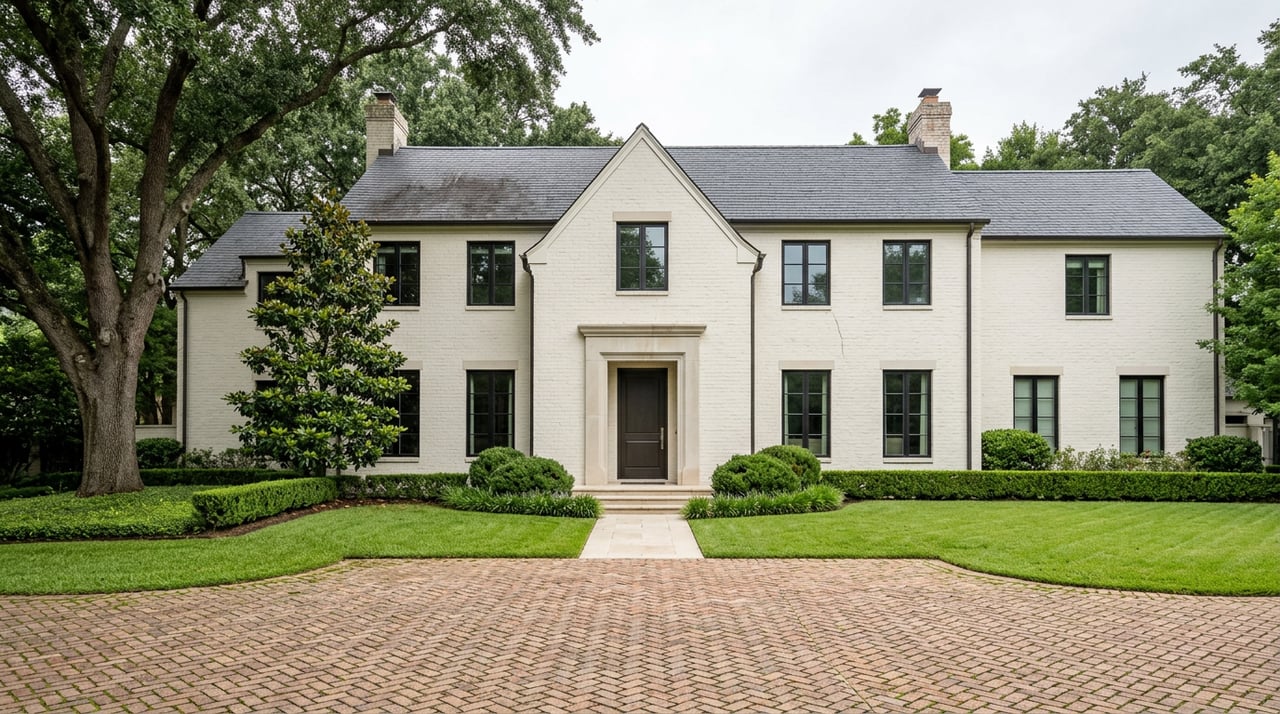
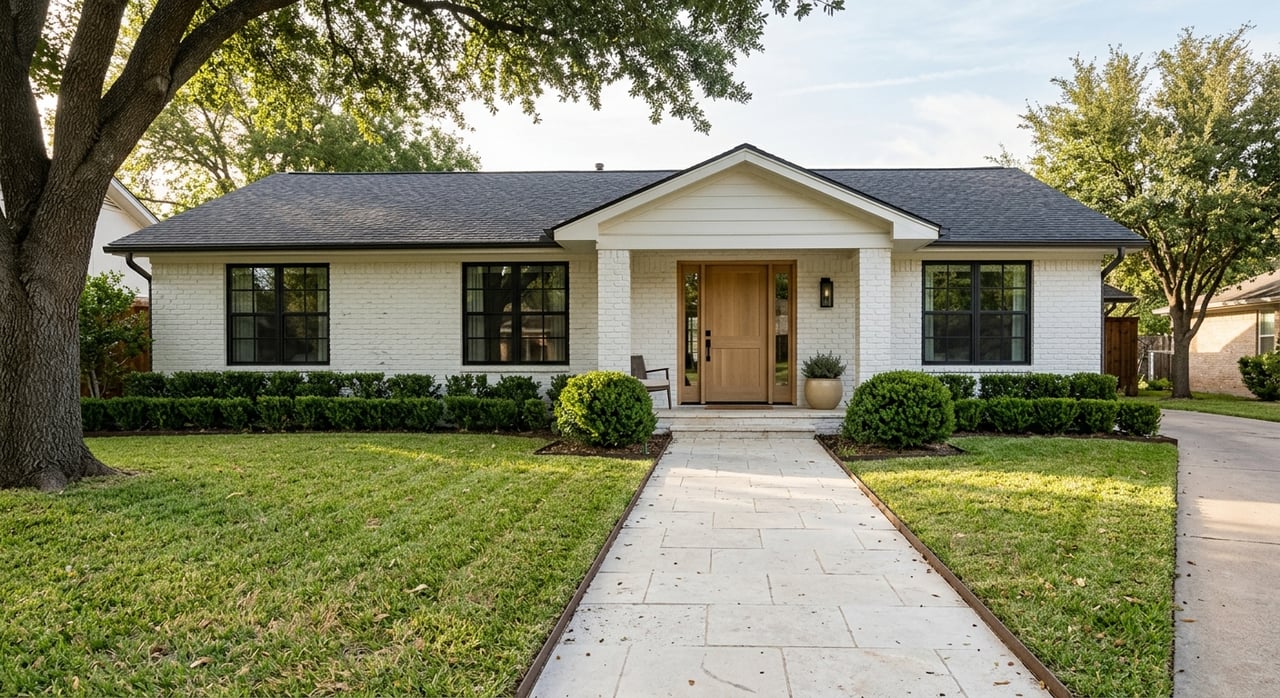
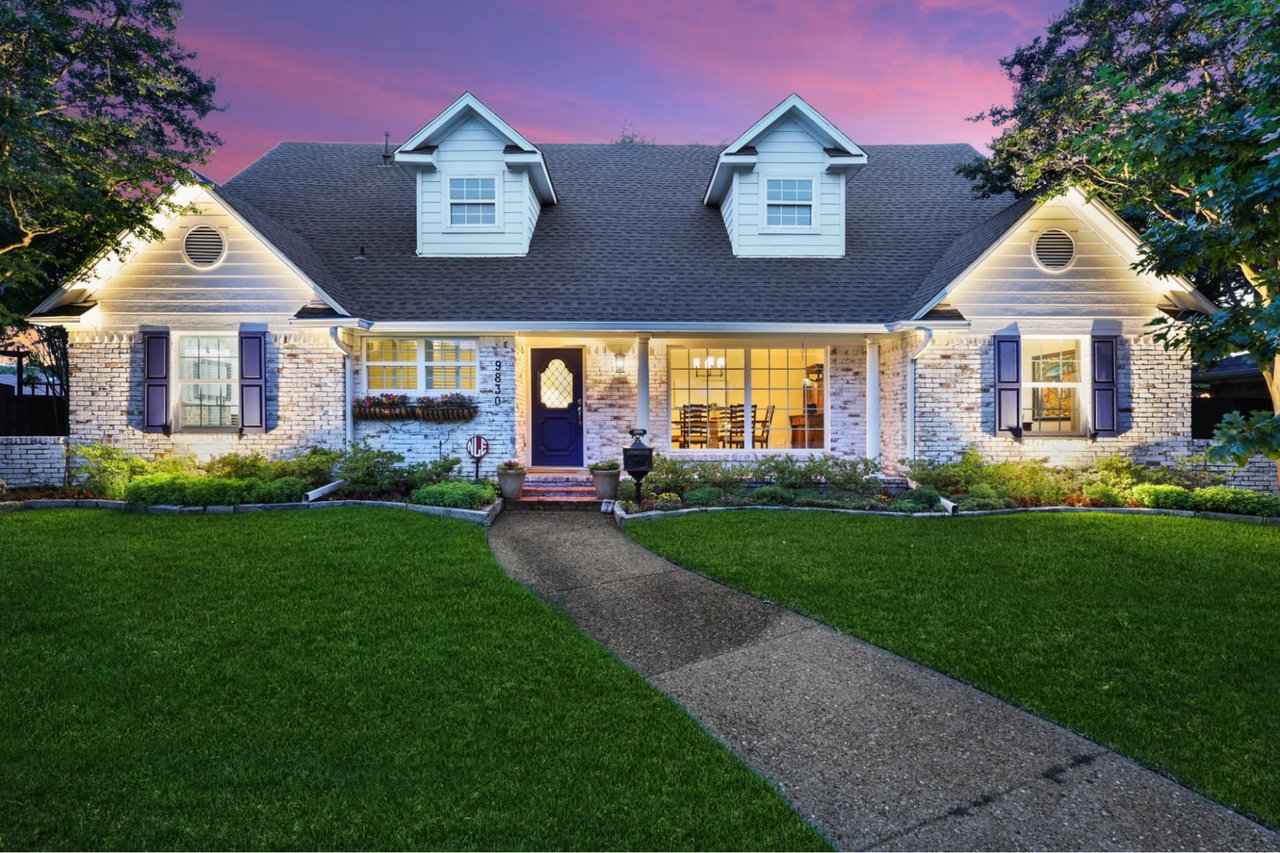
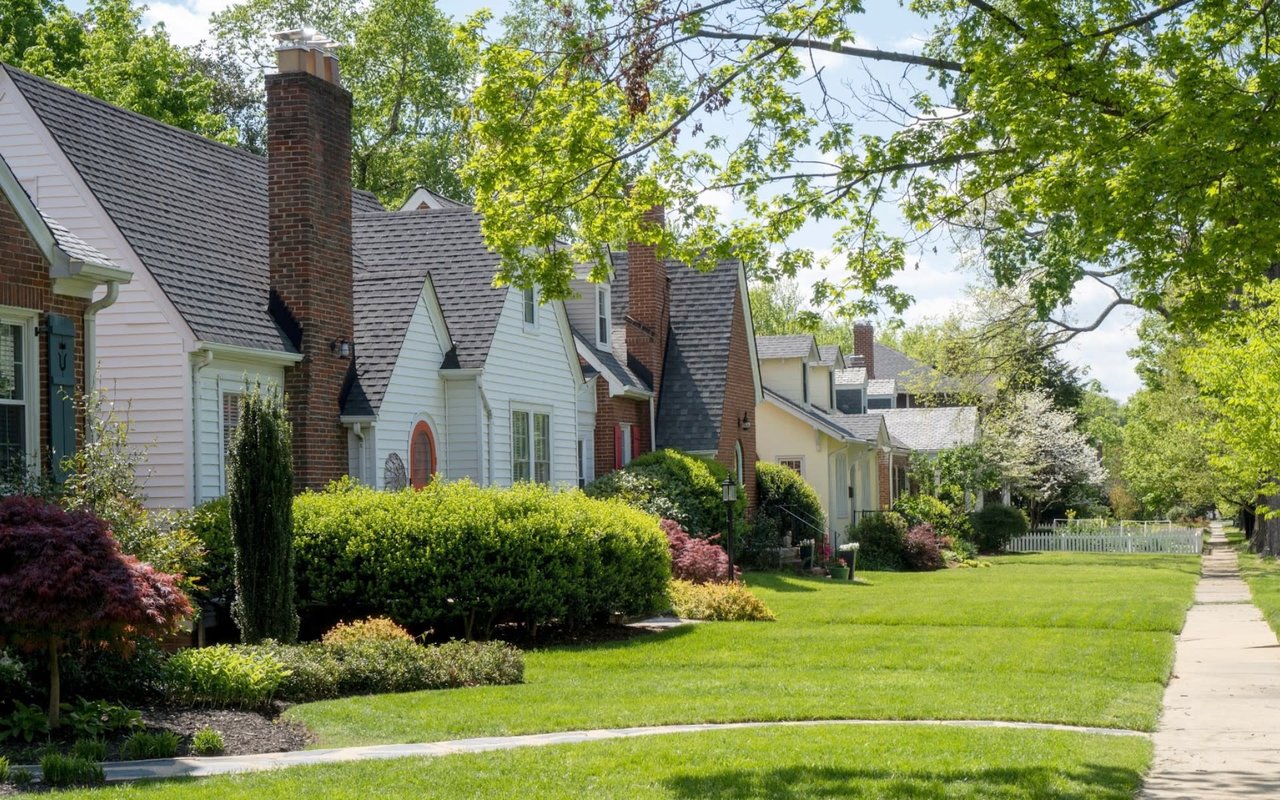
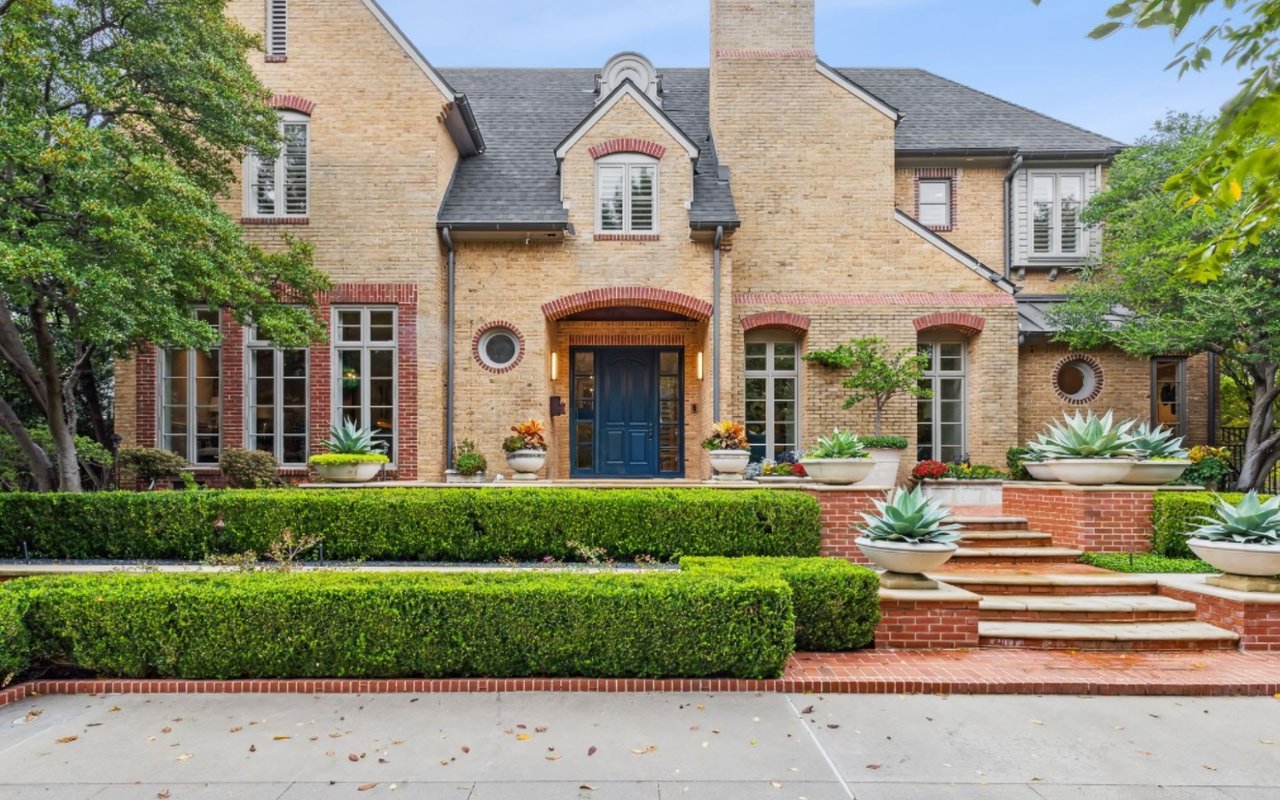
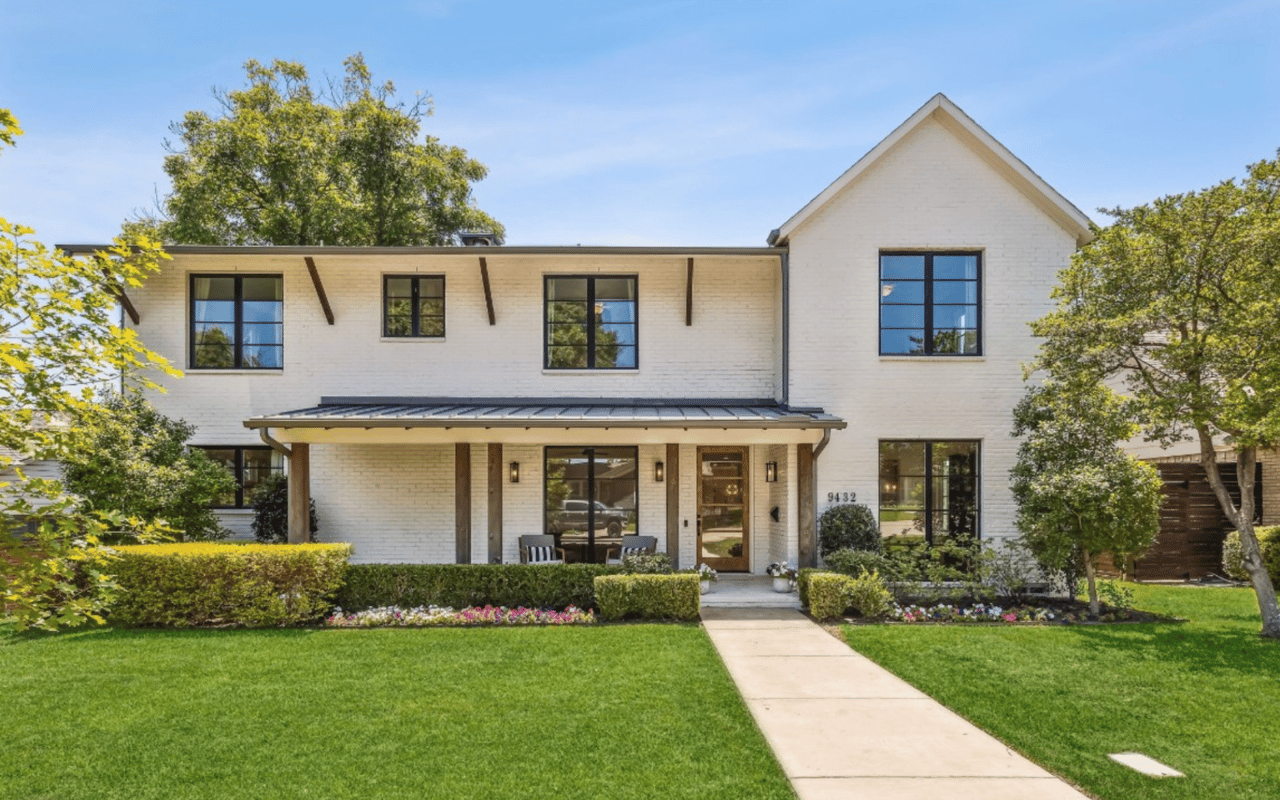
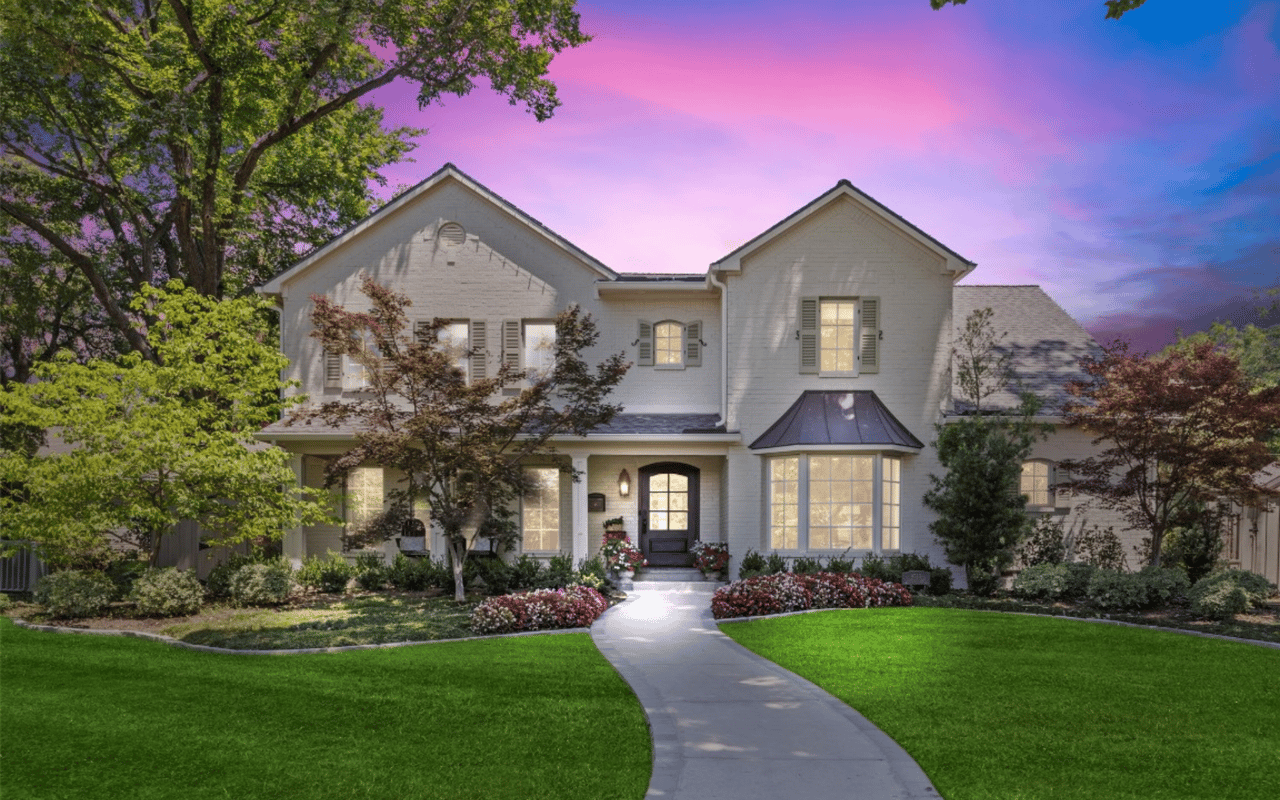
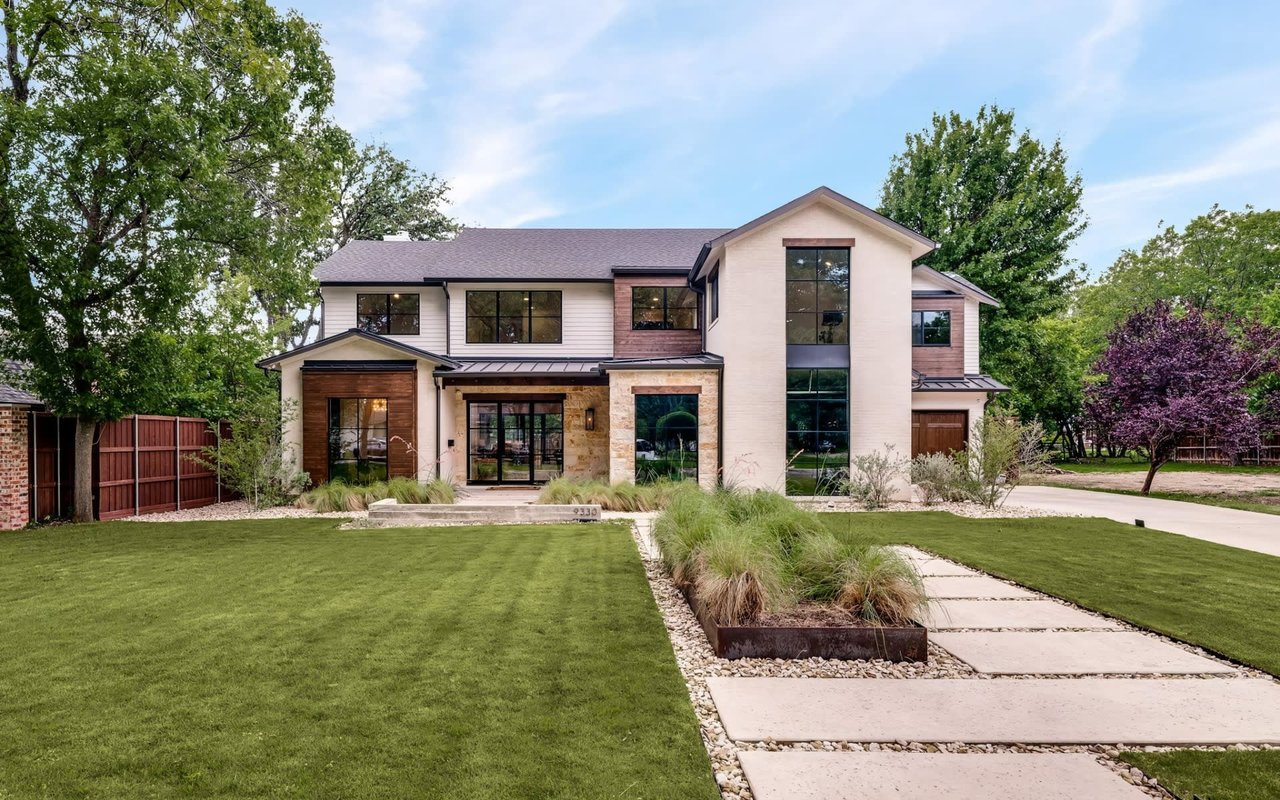
Moving from Dallas to Richardson or Far North Dallas often means shifting from a denser, more mixed housing environment to an area with more single-family homes, townhomes, and established residential blocks.
Richardson, in particular, has a stronger owner-occupied profile than Dallas citywide. Census data shows a 50.7% owner-occupied housing rate in Richardson, compared with 42.4% in Dallas. That difference helps explain why the move can feel less like a price play and more like a lifestyle choice.
Citywide numbers also show Richardson is not the bargain market some buyers expect. The median owner-occupied home value in Richardson is $431,400 versus $320,700 in Dallas, and median gross rent is also higher in Richardson at $1,857 compared with $1,472 in Dallas.
For many buyers, that means the decision comes down to housing type, commute patterns, and neighborhood fit more than sticker price alone.
Richardson vs Dallas Housing Feel
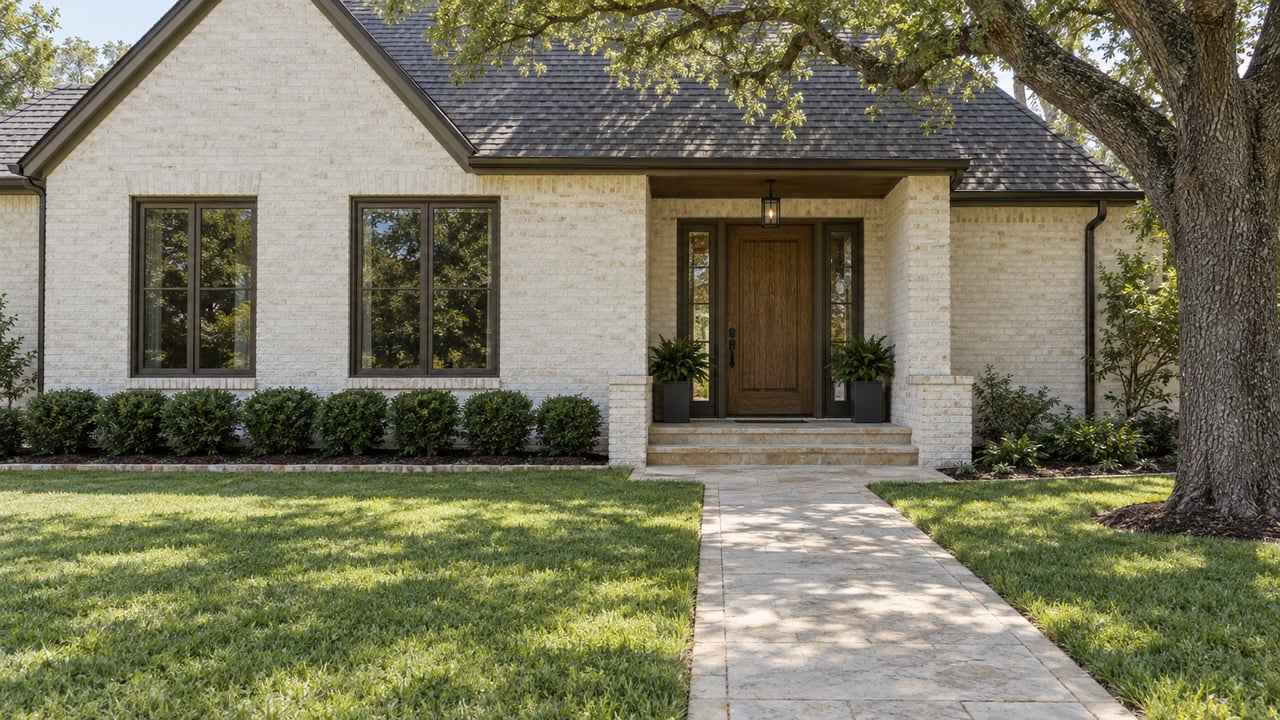
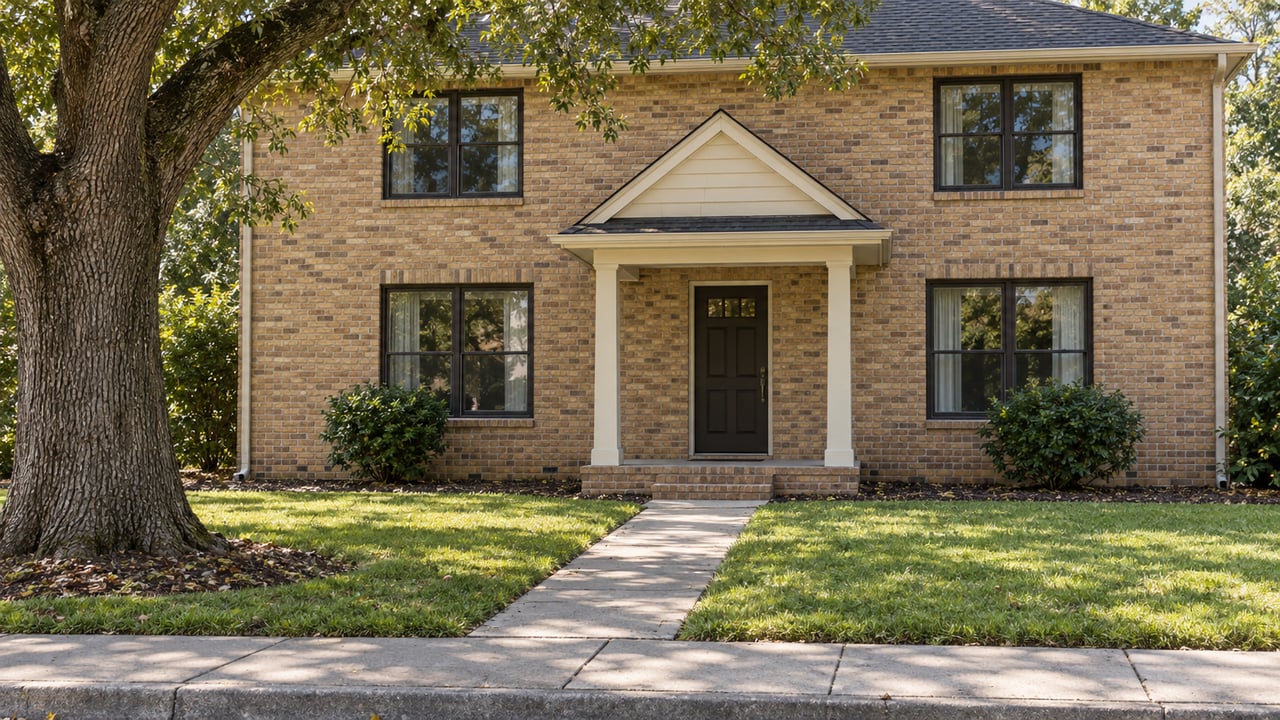
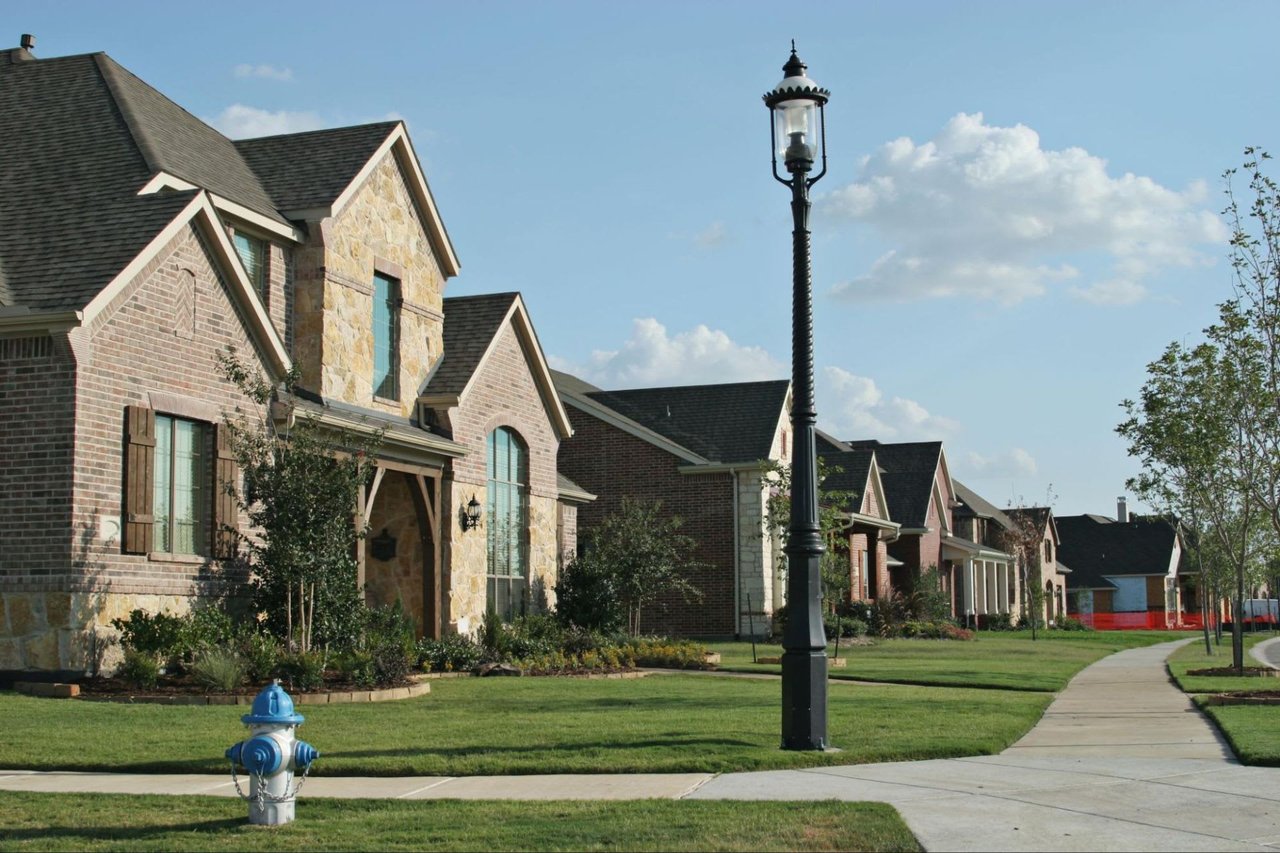
Richardson leans more residential
Richardson’s housing stock is dominated by one-unit detached or attached homes. A city housing analysis says 96.6% of owner-occupied units are in one-unit detached or attached structures.
That is a very different picture from Dallas citywide, where housing is more mixed. Dallas planning data shows 43% of units are detached, 4% are attached, 6% are in 2 to 4 unit buildings, 23% are in 5 to 19 unit buildings, and 25% are in buildings with 20 or more units.
In practical terms, Richardson often feels more established and residential, while many parts of Dallas feel denser and more apartment-oriented.
Richardson is not one-note
Even though Richardson has a suburban reputation, it is not all the same. The city includes older single-family neighborhoods, townhome pockets, apartment clusters near rail, and mixed-use areas around CityLine and the CORE District.
The CORE District includes Downtown, Heights, Interurban, Lockwood, and Chinatown. The city has also added walkable mixed-use projects such as Belt + Main and Interurban Common, while CityLine remains a major mixed-use district.
If you are moving from Dallas, this matters. You do not have to choose between fully urban and fully suburban. In Richardson, you can often find a middle ground depending on the block and development pattern.
What About Far North Dallas?
Far North Dallas can appeal to buyers who want to stay within Dallas while still gaining access to major north-south routes and a more residential feel than central Dallas.
One of the biggest practical benefits is location. The Dallas North Tollway serves as a major spine connecting downtown Dallas with north suburban destinations through Dallas, Addison, Plano, and farther north.
If your daily life takes you across Dallas and into the northern suburbs, that access can be a major plus. At the same time, the experience will vary depending on the exact pocket you choose, so it helps to compare street-by-street patterns rather than assume all of Far North Dallas feels the same.
Commute Matters More Than You Think
US 75 shapes the Richardson move
For many people moving from Dallas to Richardson, US 75 is the route that defines daily life. The City of Richardson calls it the city’s paramount transportation artery, and the corridor remains a major focus for planning and upgrades.
The US 75 Tech Lane project is converting former HOV lanes on the stretch from I-635 to SH 121, with completion expected by the end of 2026. Richardson also notes easy access to LBJ Freeway and Bush Turnpike, which can expand your options depending on where you work.
DART can be a real option
If you do not want to drive every day, Richardson offers meaningful rail access. DART’s Red Line serves CityLine/Bush, Galatyn Park, Arapaho Center, and Spring Valley, with service through downtown Dallas stations including West End, Akard, Union/EBJ, and Convention Center.
CityLine/Bush also connects riders to adjacent mixed-use development and provides Red and Orange Line service into Plano and Dallas. For some households, that transit access can be a deciding factor when comparing Richardson with more car-dependent choices.
Average commute times are fairly close
On paper, commute times between Dallas and Richardson are not dramatically different. Census figures show a 23.6-minute mean commute in Richardson and a 25.7-minute mean commute in Dallas.
That said, your real experience will depend much more on your actual route than the citywide average. When you are house hunting, it is worth looking at the exact trip to work, school, or frequent destinations before you commit.
Is Richardson Cheaper Than Dallas?
In most citywide comparisons, no. Richardson trends more expensive than Dallas on both home values and rents.
Census data puts Richardson’s median owner-occupied home value at $431,400 compared with $320,700 in Dallas. Zillow also shows Richardson above Dallas, with average home values of $447,802 and $301,697 respectively, though those figures should be treated as directional because Zillow and Census use different methods.
Richardson homes are also going pending faster in Zillow’s current estimates, with about 14 days in Richardson versus about 55 days in Dallas. That does not guarantee what any specific listing will do, but it does suggest comparatively stronger demand.
So if you are moving north, it is better to think in terms of different value rather than lower cost.
What You May Gain in Richardson
Many buyers consider Richardson because the move can line up with long-term lifestyle goals.
You may find:
- More single-family and townhome options
- More owner-oriented residential blocks
- Access to parks and trails such as Breckinridge Park, Cottonwood Park, and the Central Trail
- Cultural and entertainment amenities like the Eisemann Center
- Mixed-use destinations around CityLine and the CORE District
- Access to UT Dallas and major transportation routes
The city also points to longer-term value drivers such as Richardson IQ, a technology-focused employment base, Triple-A credit ratings, and ongoing redevelopment in downtown and CityLine-area districts.
For buyers thinking several years ahead, those factors can support confidence in the area’s continued reinvestment.
A Key Detail: School Boundaries Are Address-Specific
If schools are part of your move decision, avoid broad assumptions. The City of Richardson says the city is located within Richardson ISD and Plano ISD, and Richardson ISD itself spans parts of Richardson, Dallas, and Garland.
That means school assignment can change by block. If you are comparing Richardson and Far North Dallas, it is important to verify the assignment for each specific address rather than rely on a neighborhood name alone.
How to Decide If the Move Fits You
The best move usually depends on what you want more of in your day-to-day life.
If you want a denser, more mixed housing environment and a wider range of lower citywide price points, Dallas may still fit you better. If you want more single-family inventory, a more residential feel, and strong access to US 75 or DART, Richardson may be the better match.
Far North Dallas can be a useful middle path for buyers who want north-of-core convenience while staying in Dallas. The right answer often comes down to your commute, budget, preferred housing type, and how you want your immediate surroundings to feel.
Smart Questions to Ask Before You Move
Before you make the jump from Dallas to Richardson or Far North Dallas, ask yourself:
- Do you want a detached home, townhome, or apartment-style option?
- Is rail access important, or will you drive most days?
- How much does US 75, LBJ, Bush Turnpike, or the Dallas North Tollway matter to your routine?
- Are you expecting the move to save money, or are you comfortable paying more for a different lifestyle fit?
- Do you need to verify a specific school assignment by address?
- Would you prefer an older established neighborhood or a mixed-use area near CityLine or the CORE District?
Those answers can quickly narrow your search and help you avoid chasing the wrong areas.
If you are weighing a move from Dallas to Richardson or Far North Dallas, local context matters. The right choice is often less about moving north and more about matching your budget, commute, and housing goals to the right block, pocket, and property type. For thoughtful guidance on buying, selling, leasing, or planning your next move, connect with The B.A.R Group.
FAQs
Is moving from Dallas to Richardson usually cheaper?
- No. Citywide data shows Richardson has a higher median owner-occupied home value and higher median gross rent than Dallas, so the move is usually about fit rather than lower cost.
What kind of homes are most common in Richardson?
- Richardson is mostly a single-family and townhome market, with owner-occupied housing heavily concentrated in one-unit detached or attached homes.
Can you commute from Richardson to Dallas without driving every day?
- Sometimes yes. Richardson has several DART Red Line stations with service through downtown Dallas and connections to destinations in Richardson and Plano.
Do all Richardson addresses go to the same school district?
- No. The city is within Richardson ISD and Plano ISD, and school assignment is address-specific.
Does Richardson feel the same as central Dallas?
- Not usually. Richardson generally feels more residential and owner-oriented, though it also includes mixed-use pockets around areas like CityLine and the CORE District.
Is Far North Dallas a good alternative to Richardson?
- It can be, especially if you want to remain in Dallas while benefiting from access to major north-south routes like the Dallas North Tollway and a more residential setting than central Dallas.