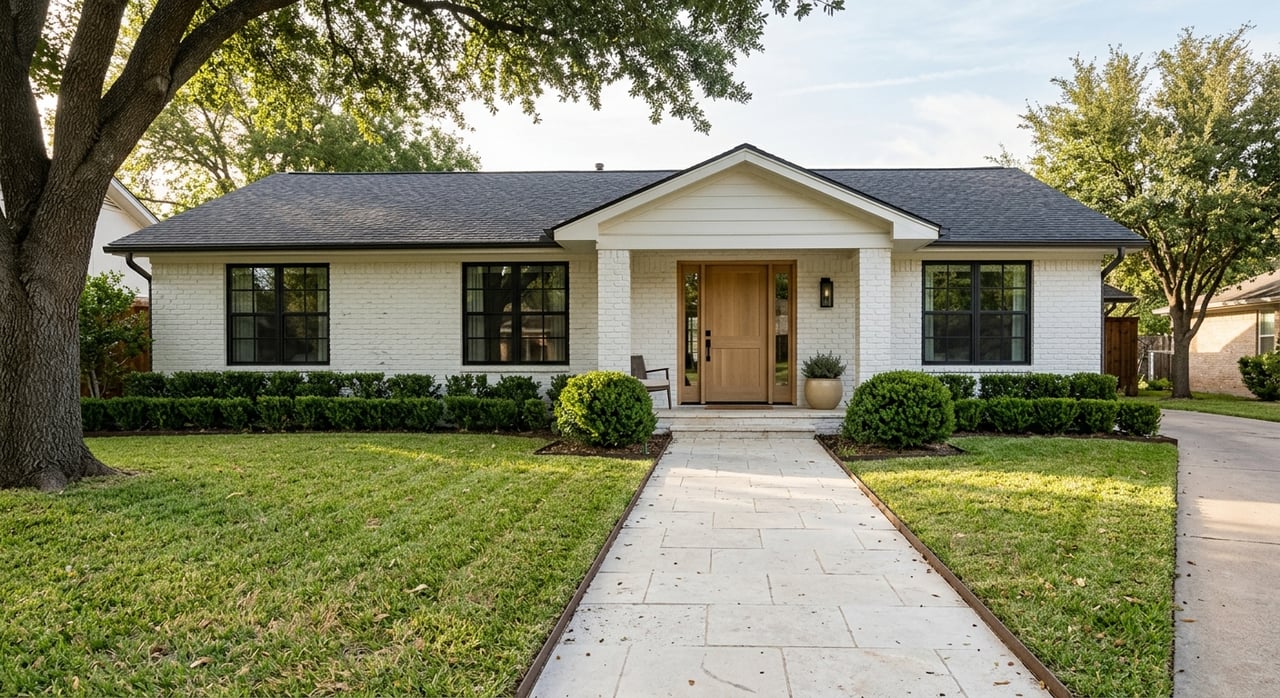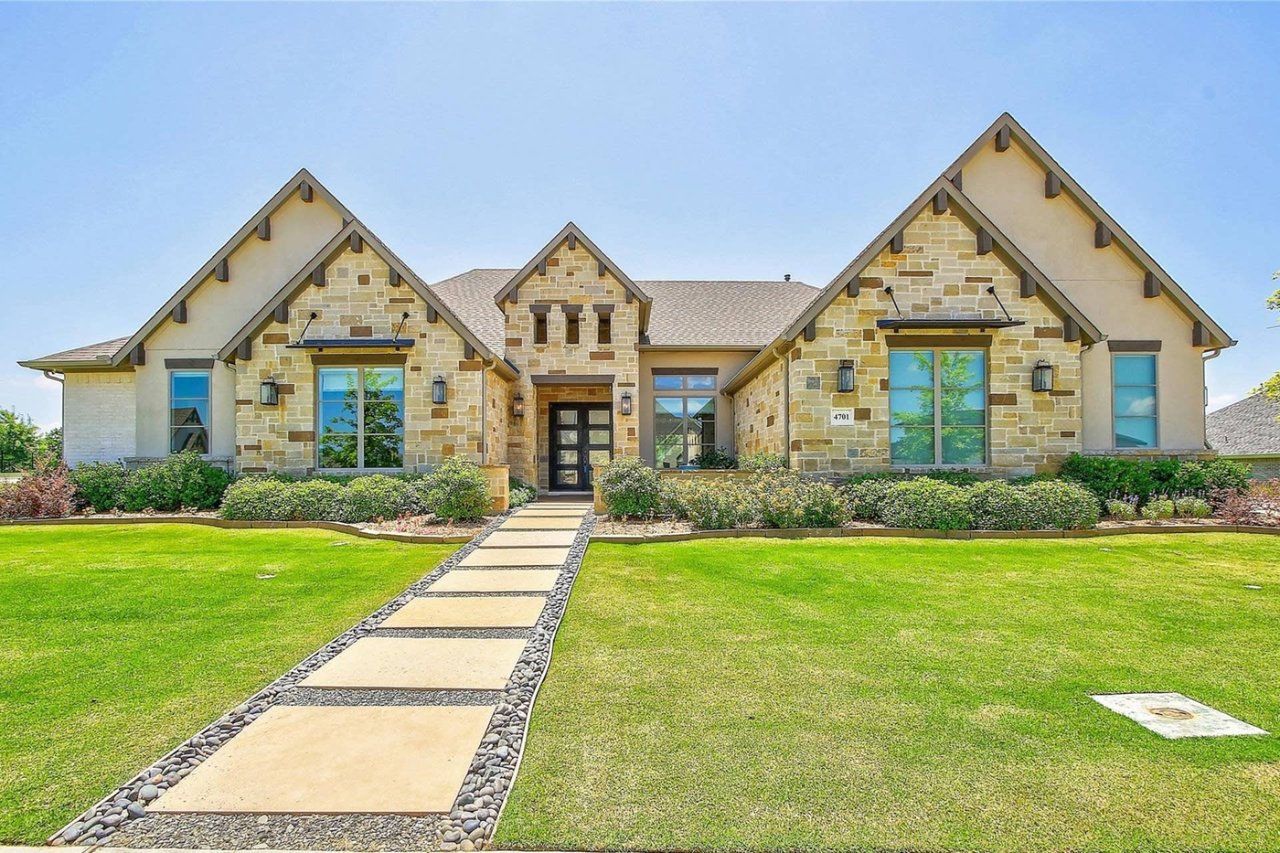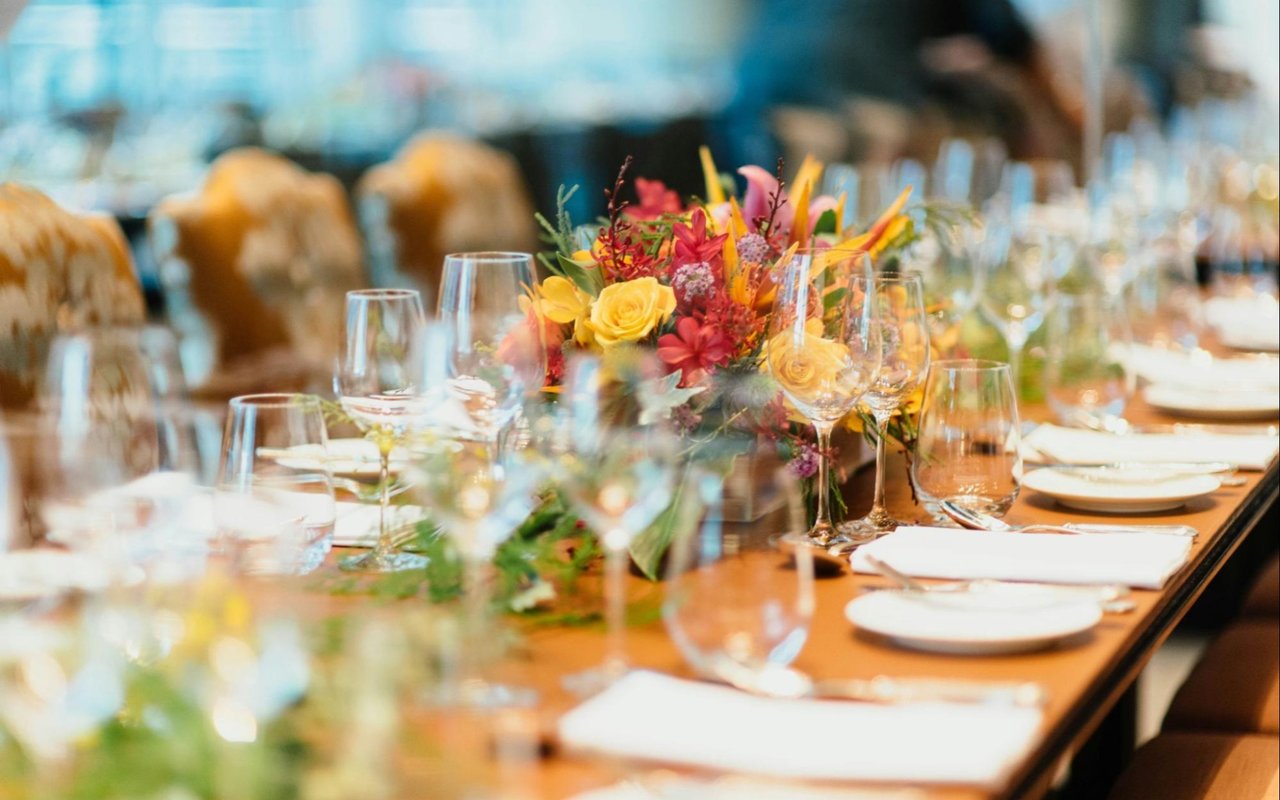
On Saturday, September 26, tables went up near Munger Park in Junius Heights for a block party with food, music, vendors and games. The host was the Dallas Housing Coalition, and the subject on the table alongside the tacos and the live performances was the city's zoning code rewrite. Interactive tools from Better Block let people walk through what the reform would actually change: more attainable housing types, more walkable retail, more room for a home-based business on a residential block. Two more of these parties are scheduled for October, one near Pleasant Grove and one near Oak Cliff.
What's worth sitting with is the choice of location. Junius Heights didn't need a demonstration of what walkable retail and small-scale neighborhood commerce look like. It has one, two blocks over, and has had it for decades.
What The City Is Actually Proposing
The coalition's campaign, called "Be My Neighbor," exists to build public support for a zoning update that would legalize more of what residents in some Dallas neighborhoods already take for granted: corner businesses inside residential blocks, more housing variety, less friction between where people live and where they can walk to buy something. That's a real shift for large parts of the city, where single-family zoning has kept commercial uses off residential streets since the mid-20th century.
It is not a shift for Old East Dallas. The neighborhood's commercial DNA was set before most of the current zoning code existed, and it never fully conformed to the postwar template the rest of the city built around.
Jimmy's Has Been Doing This Since Before The Code Existed
Walk two blocks from where the tables sat on Saturday and you hit Bryan Street, where Jimmy's Food Store has sold Italian sausage, meatballs and sandwiches out of a residential-adjacent storefront for generations. In the back room is Circolo del Vino, a private wine tasting space that operates the way neighborhood commerce is supposed to work under the reform being pitched at the block party: a small, specific business embedded in walking distance of the houses around it, known to neighbors rather than advertised to the city.
A few blocks further sits Bryan Street Tavern, a pizza and craft beer spot with 22 taps and a patio residents treat as an extension of their own backyard. Neither business required a zoning rewrite to exist. They predate the current push by decades, sitting inside a historic commercial pocket that Old East Dallas never zoned out of its residential fabric the way newer subdivisions did.
That's the piece the block party's premise skips past. The reform under discussion is trying to legalize, city-wide, what this particular stretch of Bryan Street never lost.
The New Apartments Are Already Betting On It
The market has noticed. New residential construction on the west side of Old East Dallas is leaning directly into the walkability that Jimmy's and Bryan Street Tavern represent, not away from it. The Wilshire, a boutique apartment community built into a stripped-and-revitalized structure with designer finishes and a shared courtyard, markets itself as sitting steps from what it calls the revamped Bryan Street retail corridor. A newer development at 2217 Fitzhugh, delivering studio and one-bedroom units with private balconies in 2026, is leasing into the same logic: proximity to an existing walkable commercial strip, not a promise of one someday.
This matters for anyone weighing what a block in Old East Dallas is actually worth relative to newer construction elsewhere in Dallas. The commercial texture isn't a future amenity being built toward. It's the reason the land under these new units commands the premium it does, and it was already there before a single unit broke ground.
The Neighborhood Runs On A Different Civic Clock Too
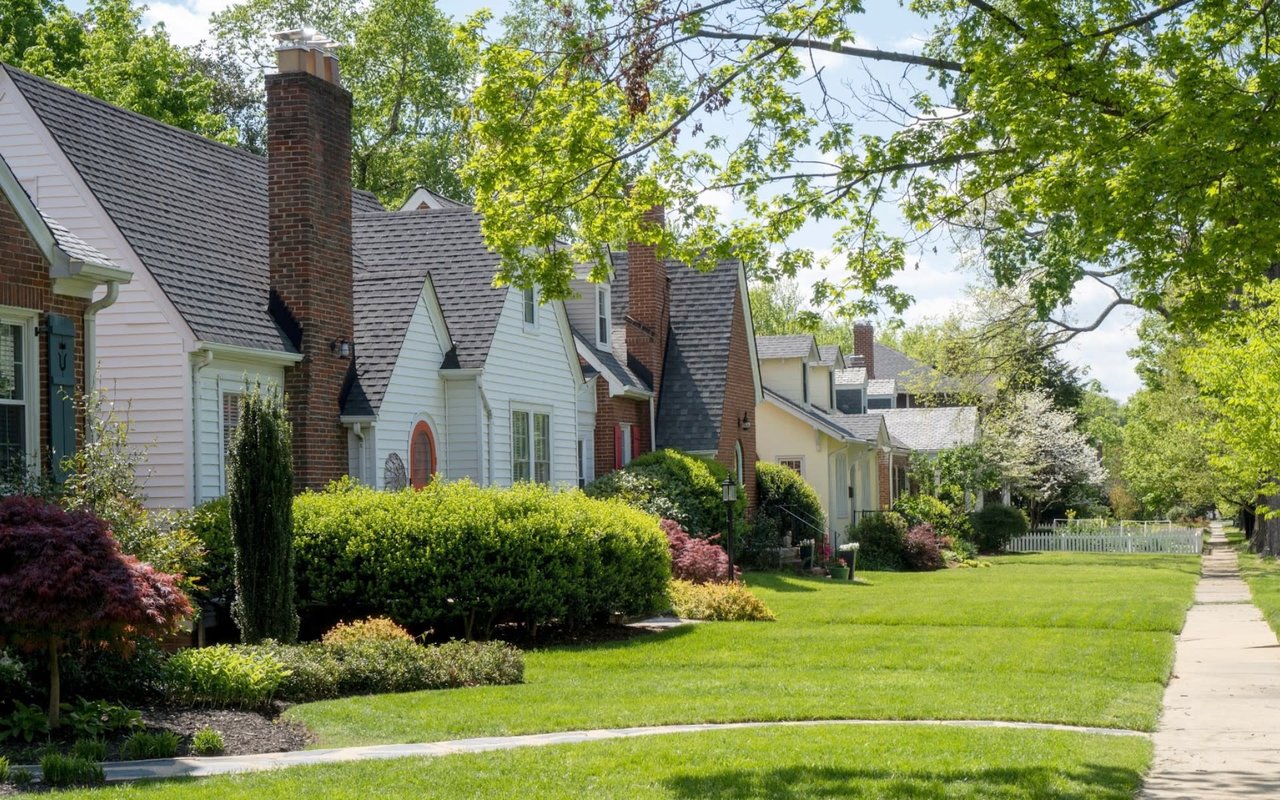
The block party's other implicit argument, that neighborhood preservation and walkable commerce can coexist, is also something Junius Heights has been proving on its own terms for two decades. The district became Dallas's largest historic designation in May 2005, protecting more than 800 Craftsman and Prairie-style bungalows east of Munger Place. Its neighborhood association has run an annual home tour since 2007 and keeps up a monthly Yard of the Month tradition that's been posted through the summer of 2026, small civic rituals that have nothing to do with a zoning hearing and everything to do with how residents keep tabs on each other's blocks.
A few streets north, the Swiss Avenue Historic District has held the same kind of ground since 1973, when it became the first historic district in the city, and its Mother's Day home tour still draws visitors through seven historic homes and one church, backed by live music acts and an artisan market. None of this required a Better Block interactive exhibit to explain. It's been the neighborhood's operating system since before most current residents moved in.
What This Actually Tells A Current Resident
None of this is an argument about whether the citywide reform should pass. It's a read on why the coalition picked this particular corner of Dallas to make its case. Junius Heights isn't a blank slate waiting for permission to become walkable. It's the reference model the campaign is implicitly pointing to when it describes what more attainable housing and more walkable retail could look like elsewhere in the city.
For someone who already lives on these streets, that reframes the Saturday event less as a debate and more as an inventory. The zoning code the city is rewriting is trying to catch up to something Bryan Street already figured out. The block party wasn't introducing an idea to the neighborhood. It was borrowing the neighborhood's own answer to take to Pleasant Grove and Oak Cliff in October.
If you're weighing what any of this means for your own address in Old East Dallas, from how the Bryan Street corridor factors into what a specific block commands to how the historic district overlays affect what you can and can't change on a Junius Heights or Swiss Avenue home, that's a conversation worth having with someone who tracks this neighborhood block by block. The B.A.R. Group works this part of Dallas directly and can walk you through what any of it means for your specific street.
This article is general information, not legal, tax or financial advice. Consult a qualified professional about your situation.